French Doctor's Body Released for Cremation in Brazil After Murder
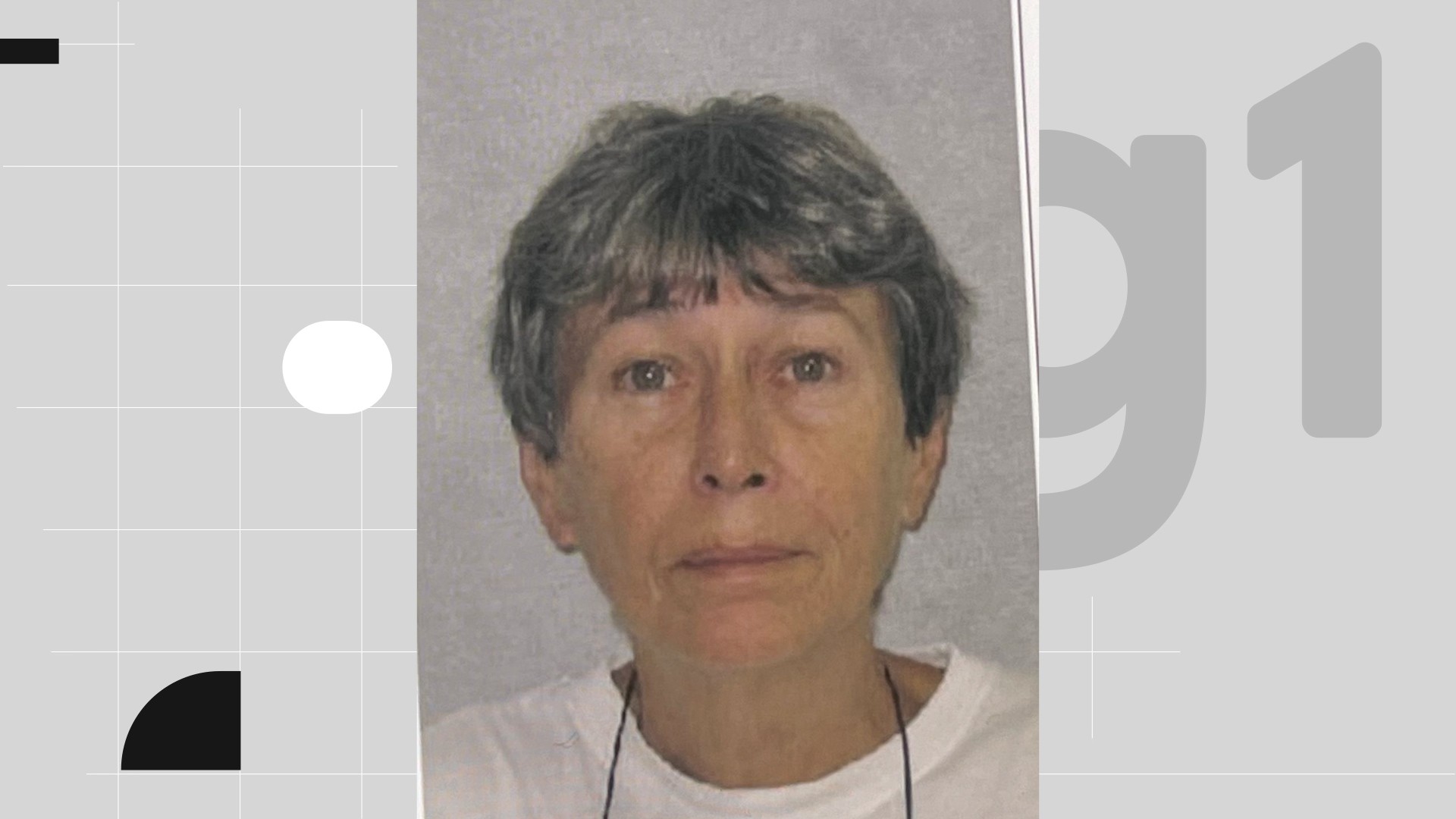
The body of 73-year-old French doctor Chantal Etiennette Dechaume, who was murdered in João Pessoa, Brazil, in March, has been released by the Forensic Medical Institute (IML) after the completion of examinations. Her boyfriend, Altamiro Rocha, who allegedly killed her, was found dead a day later. The IML director, Flávio Fabres, confirmed on Friday, March 24, that the body will be cremated in Paraíba. No family members will travel to Brazil; the cremation will be handled by the consulate and legal representatives. A judicial authorization was required for the cremation due to the homicide case. Dr. Dechaume was found carbonized on March 11, and police identified Altamiro Rocha dos Santos as the perpetrator. Rocha was found dead on March 12 with his hands tied and signs of decapitation. The IML stated that if a body is unclaimed for 30 days, it can be buried by the institute. As Rocha's body has not been claimed, it will eventually be buried by the IML. The investigation suggests Dechaume ended the relationship due to Rocha's drug addiction, which police believe was the motive for the crime. Rocha allegedly paid a homeless man to set the body on fire after placing it in a suitcase. Security footage reportedly shows Rocha moving the victim's body in a suitcase within their apartment building.
This tragic event highlights the critical need for robust consular support and clear protocols for handling the remains of foreign nationals in cases of violent crime. The judicial process for authorizing cremation underscores the complexities of cross-border legal and administrative procedures. Future considerations might involve enhanced collaboration between local authorities, consulates, and international legal frameworks to expedite such processes while ensuring due diligence and respect for the deceased and their families, particularly in instances where domestic violence or other crimes are involved. The case also raises questions about the accessibility of support systems for individuals struggling with addiction, potentially preventing such devastating outcomes.
AI-generated to prompt reflection — not editorial opinion, not advice, not a statement of fact. How this works.