French Family Inherits 12th-Century Castle, Trading City Life for Medieval Estate
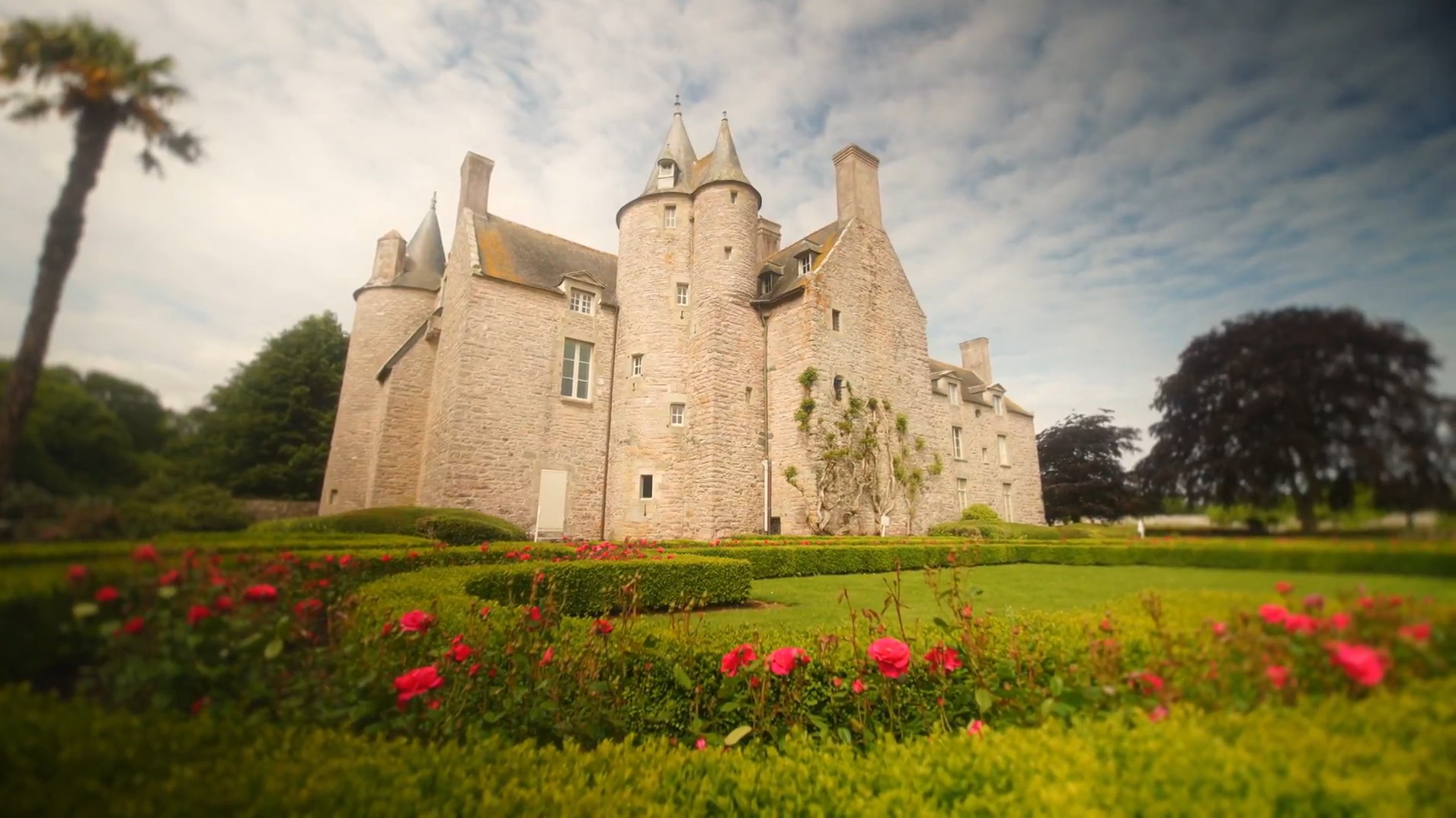
A French couple, Nathalie and Pierrive, unexpectedly inherited the 12th-century Château de Bienassis in northern France, a property that has belonged to Nathalie's family for nearly 150 years. Nathalie's godmother, who had no children, bequeathed the estate to her. While Nathalie had childhood dreams of living in the castle, Pierrive, then a technology company director in Paris, initially resisted the inheritance, fearing it would drastically alter their lives. He eventually agreed after a year of deliberation, recognizing the significant commitment required to manage the vast property. This decision led Pierrive to abandon his career in Paris to oversee the castle's administration.
Living in the over 1,000-square-meter castle, which features numerous rooms, gardens, and stables, is far from a fairytale. The family, including their four children, manages constant maintenance and daily tasks, from cleaning large halls to caring for animals. Simple activities require planning due to the castle's scale and remote location, with limited internet access. To sustain the property, the family has transformed it into a sustainable project, hosting visitors, cultural events, and weddings. This income is crucial for preserving the historic estate, which survived centuries of history, including occupation by German troops during World War II. The family views the castle as a regional heritage, not just a private privilege, and finds satisfaction in embracing the challenges of their unique life.
The inheritance of Château de Bienassis presents a compelling case study in the intersection of personal dreams, familial legacy, and the economic realities of historic property preservation. The family's decision to embrace this significant responsibility highlights a shift in values, prioritizing heritage stewardship and community engagement over conventional urban careers. This approach, while personally fulfilling, underscores the systemic challenge of maintaining historical sites in the modern era, often requiring innovative revenue models beyond traditional inheritance. The narrative prompts consideration of how societies can better support the preservation of cultural landmarks, balancing the desires of inheritors with the broader public interest in safeguarding history for future generations, especially as AI and automation may offer new tools for managing such complex estates.
AI-generated to prompt reflection — not editorial opinion, not advice, not a statement of fact. How this works.