French Family Trades City Life for 12th-Century Medieval Castle
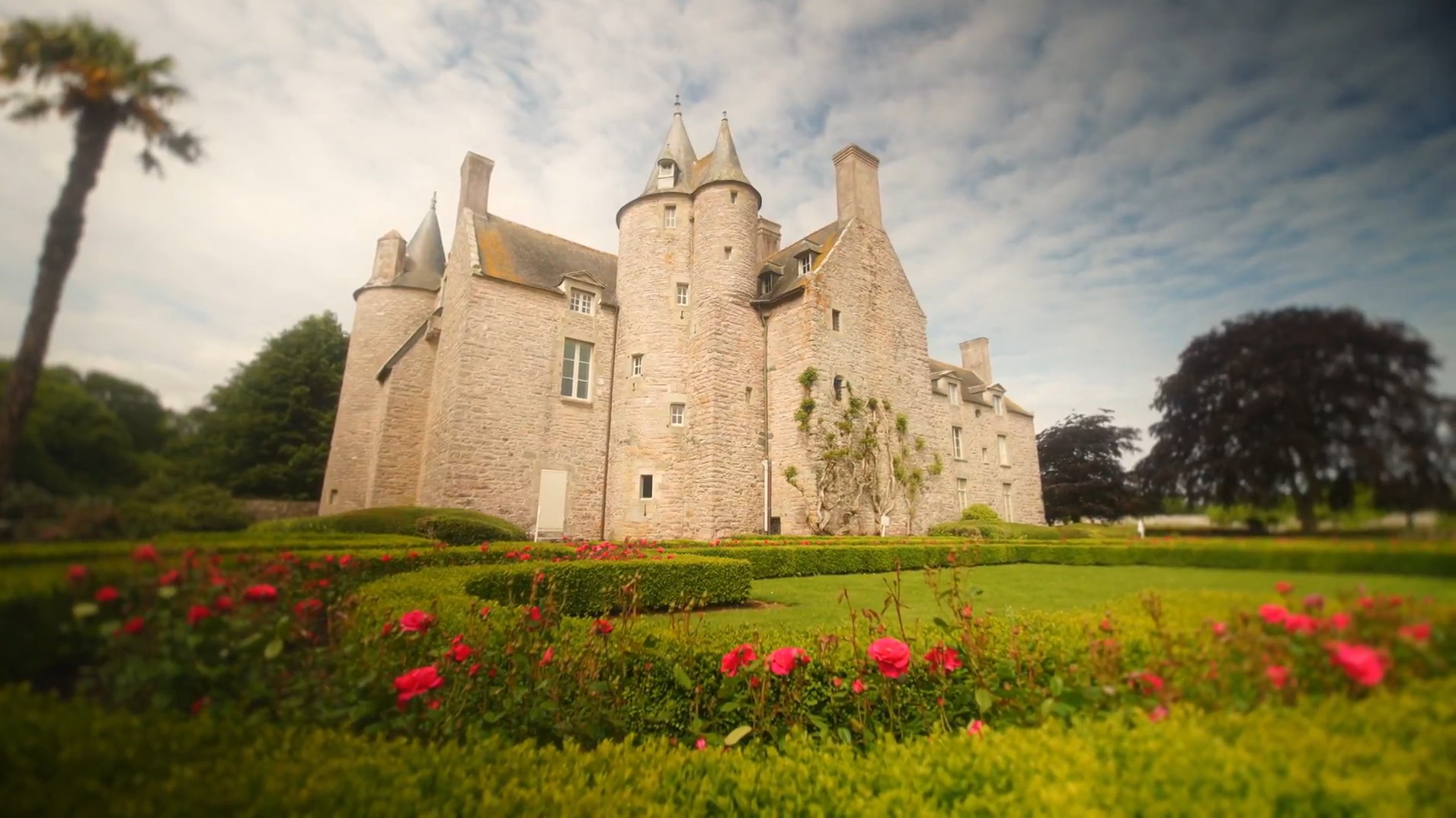
A French family, the Huguets, has traded urban living for a unique existence within the medieval Bienassis Castle in northern France. This historic fortress, with construction beginning in the 12th century, has been in the Huguet family for nearly 150 years and continues to serve as their residence. Nathalie Huguet, one of the current owners, inherited the castle from her godmother and, along with her husband Pierre-Yves, relocated from the Paris region to manage the sprawling property. The castle, characterized by stone walls, towers, and a history of noble families seeking protection, houses a remarkable collection of objects brought from around the world by Nathalie's great-grandfather, a former navigator. These include a vase from Naples, Italy, and a table from Beijing, China, reflecting a rich past of global connections. The former guard room, once a central meeting point for knights and residents to discuss important matters, now stands as a testament to the castle's historical significance. The property also bears reminders of other eras, such as taxidermied animals from a time when hunting was prevalent and an inscription honoring French citizens executed during the Nazi occupation in World War II. The family's grandparents used war reparations to purchase a wood-burning stove, a significant technological advancement at the time. The private living quarters alone span over a thousand square meters, featuring high ceilings and thick walls that maintain a naturally cooler and darker environment. The castle's medieval structure presents technological challenges, with internet connectivity relying on satellite service due to the poor signal inside. Nathalie and Pierre-Yves currently reside in the castle with two of their four children and their dogs, one of whom, Rio, is named in honor of Rio de Janeiro. For the children, growing up in the castle offers a distinct lifestyle, emphasizing nature, space, and animal companionship, as highlighted by Jean and Maylis. However, the castle's remote location poses challenges, including limited social interaction with friends and the practicalities of maintaining a vast historical estate, which requires constant upkeep of large halls, stables, gardens, and animals. Nathalie describes their life as an 'ecosystem' where living and working are intertwined, imparting valuable life skills to her children, such as animal care and the use of tools like chainsaws, which are uncommon for their urban peers.
The Huguet family's decision to inhabit a 12th-century medieval castle highlights a growing trend of seeking alternative lifestyles away from densely populated urban centers, possibly driven by a desire for space, connection to history, or a more self-sufficient existence. This choice, while romanticized, underscores the significant challenges of maintaining historical properties, particularly in terms of modern infrastructure and daily upkeep. The narrative implicitly contrasts the perceived 'fairytale' of castle living with the reality of demanding physical labor and resource management, suggesting that such endeavors require a deep commitment and a practical, 'ecosystem'-based approach to life. The family's ability to adapt and integrate modern living within a medieval structure, while acknowledging its limitations, offers a case study in balancing heritage preservation with contemporary needs. This situation prompts reflection on how societies can better support the stewardship of historical assets while enabling residents to lead functional lives, potentially through innovative heritage management policies or community-supported models.
AI-generated to prompt reflection — not editorial opinion, not advice, not a statement of fact. How this works.