French Food Fraud: 1800 Inspections Reveal Deception in Protected Food Label Schemes
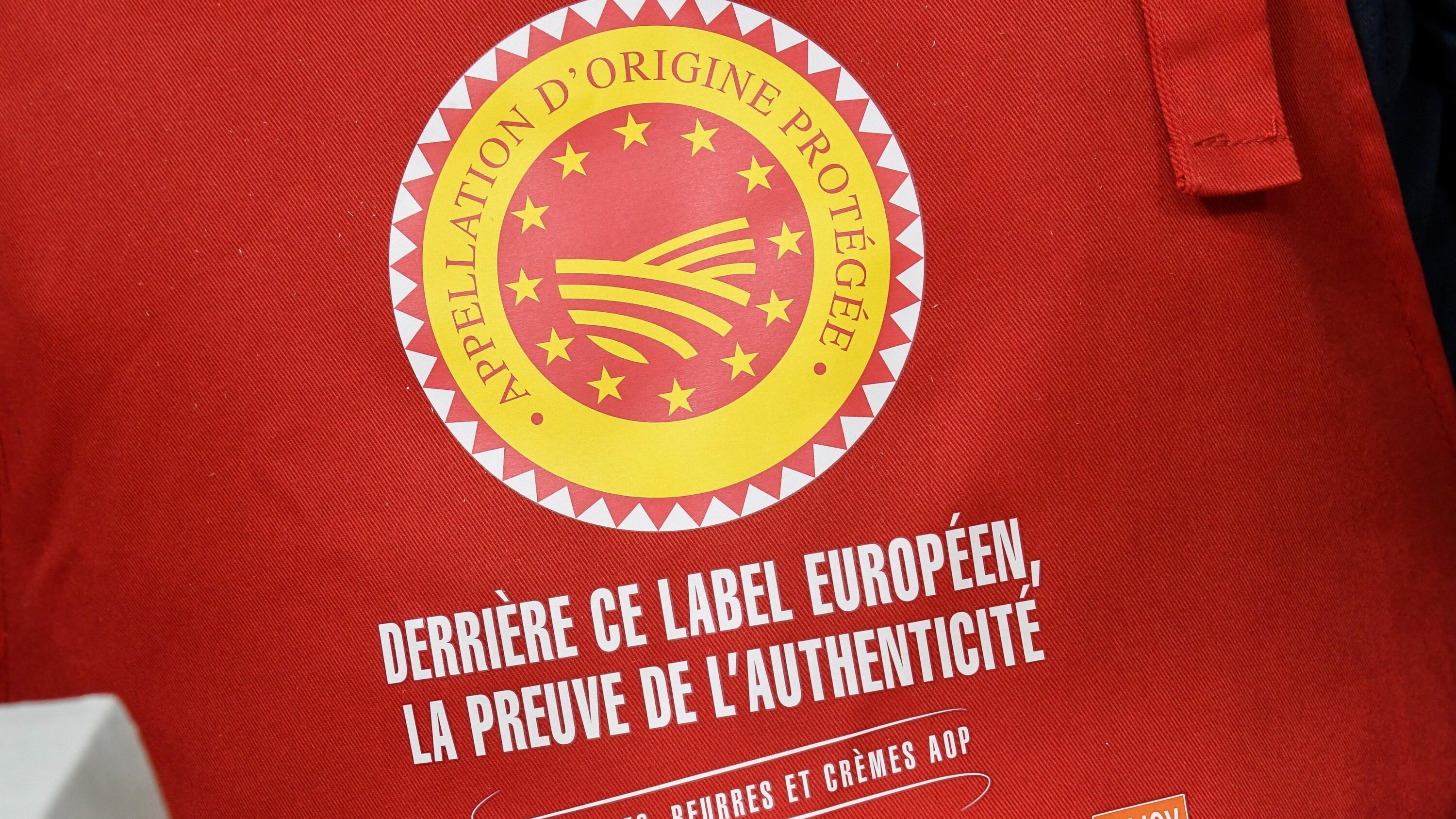
Nearly 1,800 inspections conducted across France have uncovered widespread deception concerning the use of protected designation of origin (AOP) and protected geographical indication (IGP) labels. The investigations, carried out by the French Directorate General for Competition Policy, Consumer Affairs and Fraud Prevention (DGCCRF), targeted various actors in the food supply chain, including restaurateurs, producers, and merchants. The findings indicate that these protected labels, which guarantee the origin and quality of specific food products, are not always being used legitimately. Examples of suspected fraud include misrepresenting certain products as "Agen prunes" when they are not, or passing off other types of veal as authentic "Limousin veal." This crackdown highlights significant issues with the integrity of France's esteemed AOP and IGP systems, which are crucial for maintaining consumer trust and supporting regional agricultural heritage. The DGCCRF's actions underscore a commitment to ensuring that consumers receive products that genuinely meet the standards associated with these protected designations.
The extensive inspections revealing fraud in France's AOP and IGP systems point to systemic challenges in enforcing geographical protection for agricultural products. While these labels are designed to safeguard quality and origin, their misuse suggests vulnerabilities in oversight mechanisms and potential economic incentives for misrepresentation. This situation raises questions about the effectiveness of current regulatory frameworks in preventing deception and maintaining consumer confidence in high-value food products. Future strategies may need to consider enhanced traceability technologies, stricter penalties for violations, and more robust auditing processes to uphold the integrity of these protected designations in the face of evolving market pressures and potential exploitation.
AI-generated to prompt reflection — not editorial opinion, not advice, not a statement of fact. How this works.