French Gas Plant Shut Down Due to Mediterranean Heat
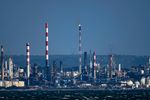
A gas-fired power plant in France has been temporarily shut down due to the extreme heat affecting the Mediterranean region. The facility's operations were halted because of restricted access to cooling water. This measure was necessary as rising water temperatures in rivers pose a significant challenge to power generation.
This incident follows similar shutdowns at nuclear power plants that also experienced limitations in obtaining sufficient cooling water due to elevated river temperatures. The combination of high ambient temperatures and their impact on water resources highlights the vulnerability of energy infrastructure to climate change effects. These events underscore the growing need for adaptive strategies in the energy sector to ensure reliable power supply during periods of environmental stress.
The shutdown of the French gas plant due to high water temperatures illustrates the increasing strain on energy infrastructure from climate change impacts. As global temperatures rise, the availability of sufficient cooling water for thermal power plants, both gas and nuclear, becomes a critical operational bottleneck. This situation highlights a systemic vulnerability where energy production capacity can be directly constrained by environmental conditions, potentially leading to supply disruptions. Future energy planning will need to incorporate more robust climate resilience measures, potentially through diversified cooling technologies, decentralized generation, or improved water management strategies to mitigate such risks and ensure grid stability in an era of heightened environmental variability.
AI-generated to prompt reflection — not editorial opinion, not advice, not a statement of fact. How this works.