French Interior Ministry Previously Dismissed Senator's "Internal Interference" Concept
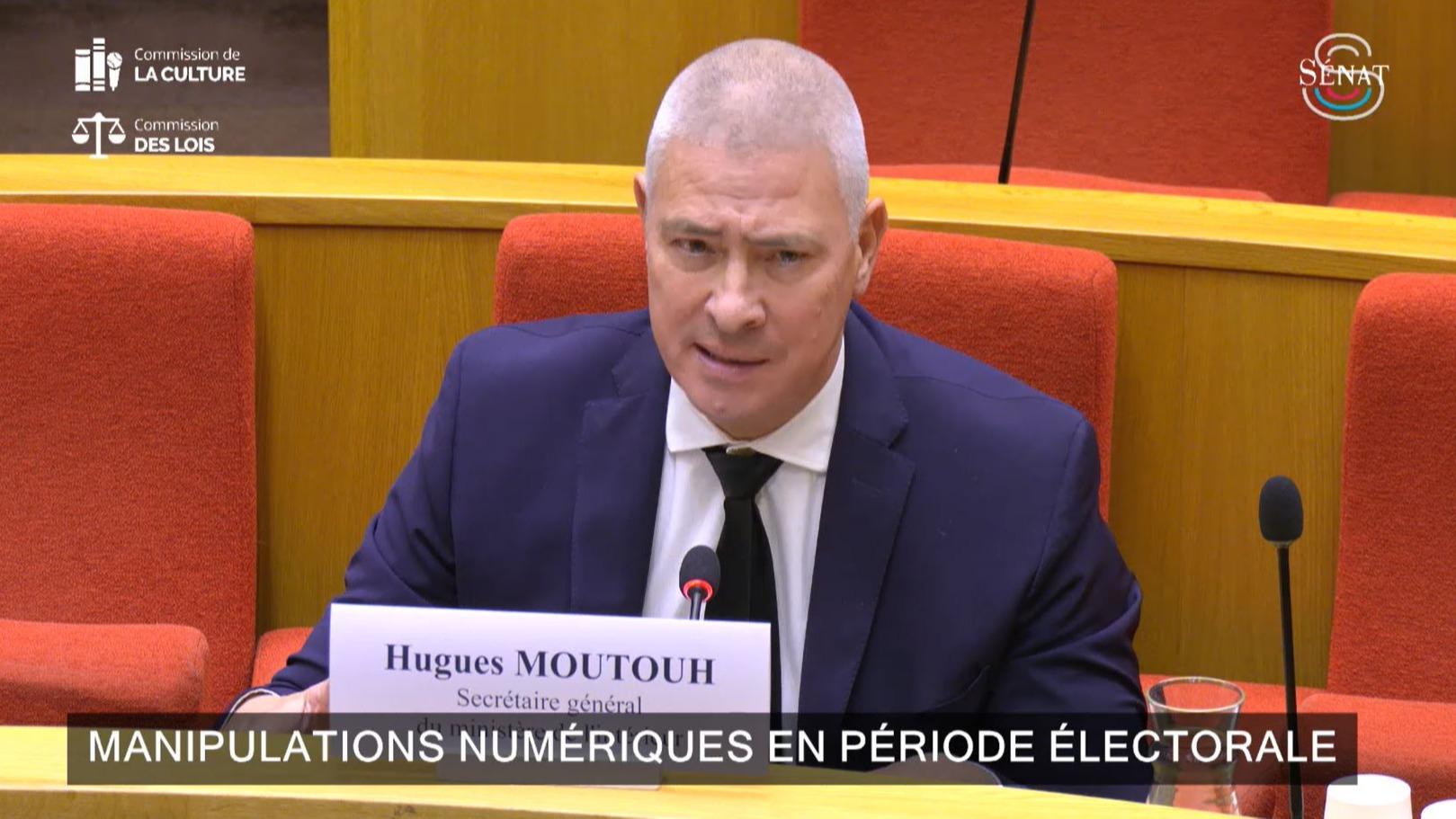
In November of the previous year, during a Senate roundtable discussion, Prefect Hugues Moutouh, who was then the Secretary General of Beauvau (the French Ministry of the Interior), rejected the notion of "internal interference." Moutouh stated that interference is not applicable when the threat does not originate from a foreign source. This statement from the Interior Ministry's top official predates and contradicts the controversial expression now being discussed, which was coined by a senator. The ministry's prior stance clarifies its official position on distinguishing between foreign and domestic threats. The senator's use of the term "internal interference" has since drawn criticism. Moutouh's definition emphasizes the foreign origin as a defining characteristic of interference. This distinction is crucial for understanding the ministry's operational framework and threat assessment.
The French Ministry of the Interior's prior dismissal of the "internal interference" concept, as articulated by Prefect Hugues Moutouh, highlights a definitional divergence on threat assessment. Moutouh's emphasis on foreign origin as a prerequisite for interference suggests a framework focused on external state or non-state actor influence. The subsequent use of "internal interference" by a senator may reflect a different analytical lens, potentially encompassing domestic political dynamics or societal pressures perceived as destabilizing. This discrepancy raises questions about how different governmental bodies categorize and respond to perceived threats, and whether evolving geopolitical or domestic landscapes necessitate a re-evaluation of established definitions to ensure a cohesive national security posture.
AI-generated to prompt reflection — not editorial opinion, not advice, not a statement of fact. How this works.