French Lawmakers Debate Self-Defense Presumption for Law Enforcement
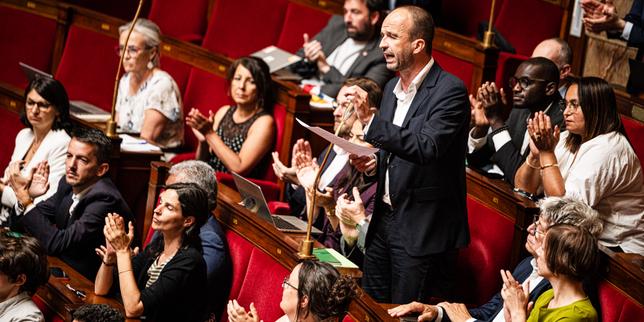
A petition opposing a proposed law that would grant law enforcement officers a presumption of self-defense was deemed not to be debated by the French National Assembly on Tuesday, July 21st. This decision means the petition will not be discussed further within the legislative body. The proposal itself has sparked significant debate regarding the use of force by police and the legal framework surrounding their actions. Proponents argue that the measure is necessary to protect officers in increasingly volatile situations and to ensure they can act decisively without undue fear of legal repercussions. Conversely, critics express concerns that such a presumption could lead to an increase in police violence and a reduction in accountability. They fear it might embolden officers to use force more readily, potentially infringing on citizens' rights. The debate highlights a fundamental tension between ensuring the safety of those tasked with public security and safeguarding civil liberties. The classification of the petition indicates that the legislative process will move forward without directly addressing the public's opposition through this specific avenue.
The French National Assembly's decision to not debate a petition against the presumption of self-defense for law enforcement signifies a divergence between public sentiment and legislative momentum. This legislative push reflects a global trend of governments seeking to bolster the authority and perceived security of their police forces amidst rising public order concerns. However, establishing a legal presumption of self-defense for officers introduces complex governance challenges. It risks altering the balance of power between the state and its citizens, potentially impacting accountability mechanisms and the public's trust in law enforcement. Future legislative actions will need to carefully consider the long-term societal implications of such a policy, particularly in an era where transparency and due process are increasingly scrutinized through digital and media channels. The core tension lies in balancing effective public safety with the fundamental rights and liberties guaranteed to all individuals.
AI-generated to prompt reflection — not editorial opinion, not advice, not a statement of fact. How this works.