French MP Ciotti Decries Ban on Inquiry Commissions Until 2027 Presidential Election
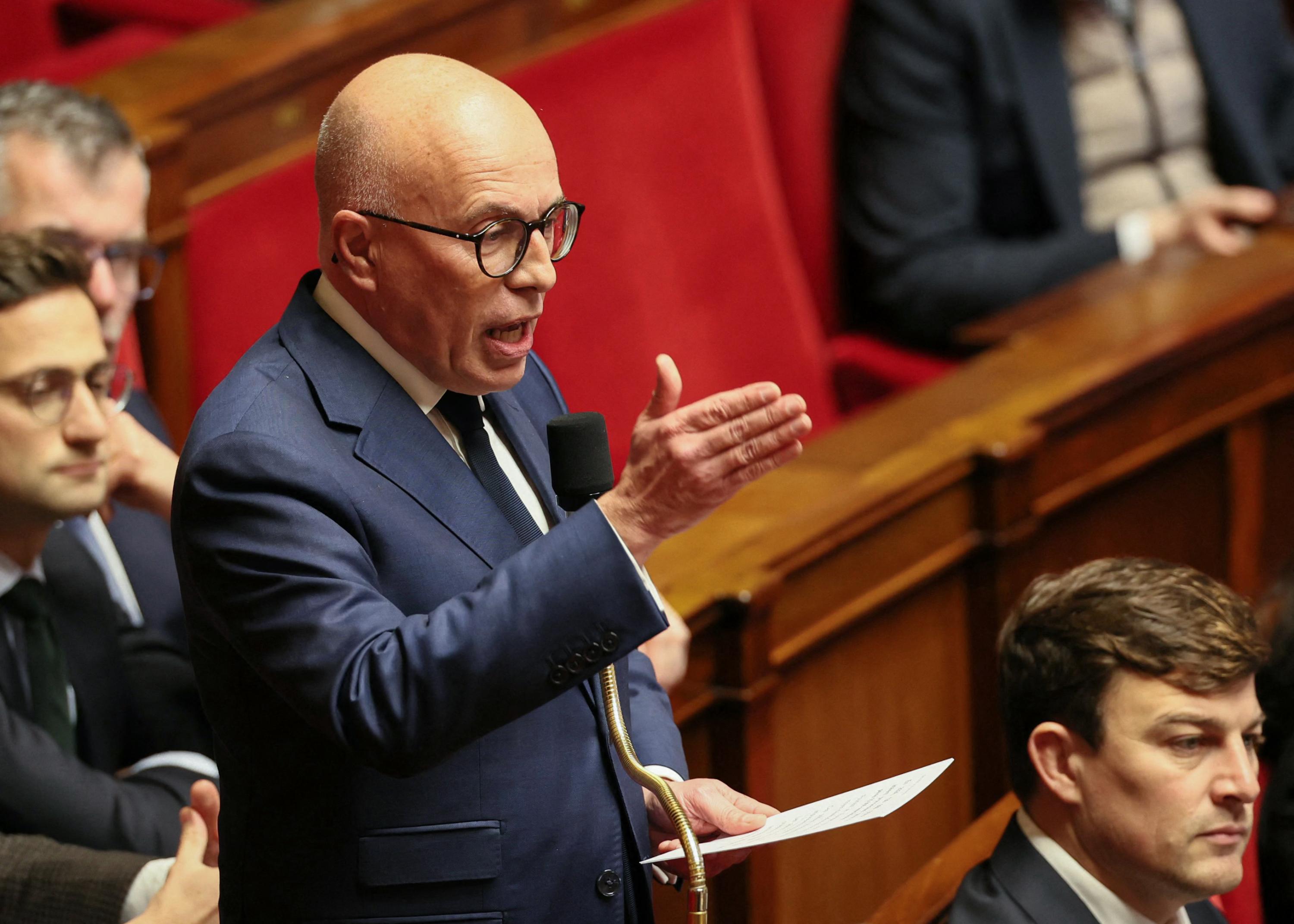
Éric Ciotti, the mayor of Nice and president of the Union des droites pour la République (UDR) parliamentary group, has penned a letter to the President of the National Assembly. In his correspondence, Ciotti expresses strong criticism regarding a new policy that prevents any political group from requesting the establishment of an investigative commission. This restriction is set to remain in effect until the 2027 presidential election. The UDR leader argues that this measure effectively blocks parliamentary oversight and scrutiny of potential governmental actions or societal issues in the lead-up to a major electoral event. He contends that such a prohibition stifles the democratic process by limiting the tools available to opposition parties and other groups to hold the government accountable. The inability to launch inquiries, Ciotti suggests, undermines the role of the National Assembly as a check on executive power. This development raises concerns about transparency and the timely investigation of matters that may arise before the next presidential contest.
The decision to suspend the formation of parliamentary inquiry commissions until the 2027 presidential election, as highlighted by Éric Ciotti, presents a tension between electoral timing and legislative oversight. This policy, if broadly applied, could limit the National Assembly's capacity to investigate emerging issues or alleged governmental improprieties during a critical pre-election period. Such a constraint may inadvertently reduce transparency and accountability, potentially allowing concerns to fester unaddressed. From a governance perspective, the timing of such restrictions warrants scrutiny, as it could be perceived as an attempt to manage the political narrative by preemptively limiting avenues for public scrutiny. The long-term implications involve balancing the perceived need for electoral stability with the fundamental democratic principle of legislative accountability, especially in an era where public trust in institutions is paramount.
AI-generated to prompt reflection — not editorial opinion, not advice, not a statement of fact. How this works.