French MPs Abstain on End-of-Life Law, Citing Uncertainty
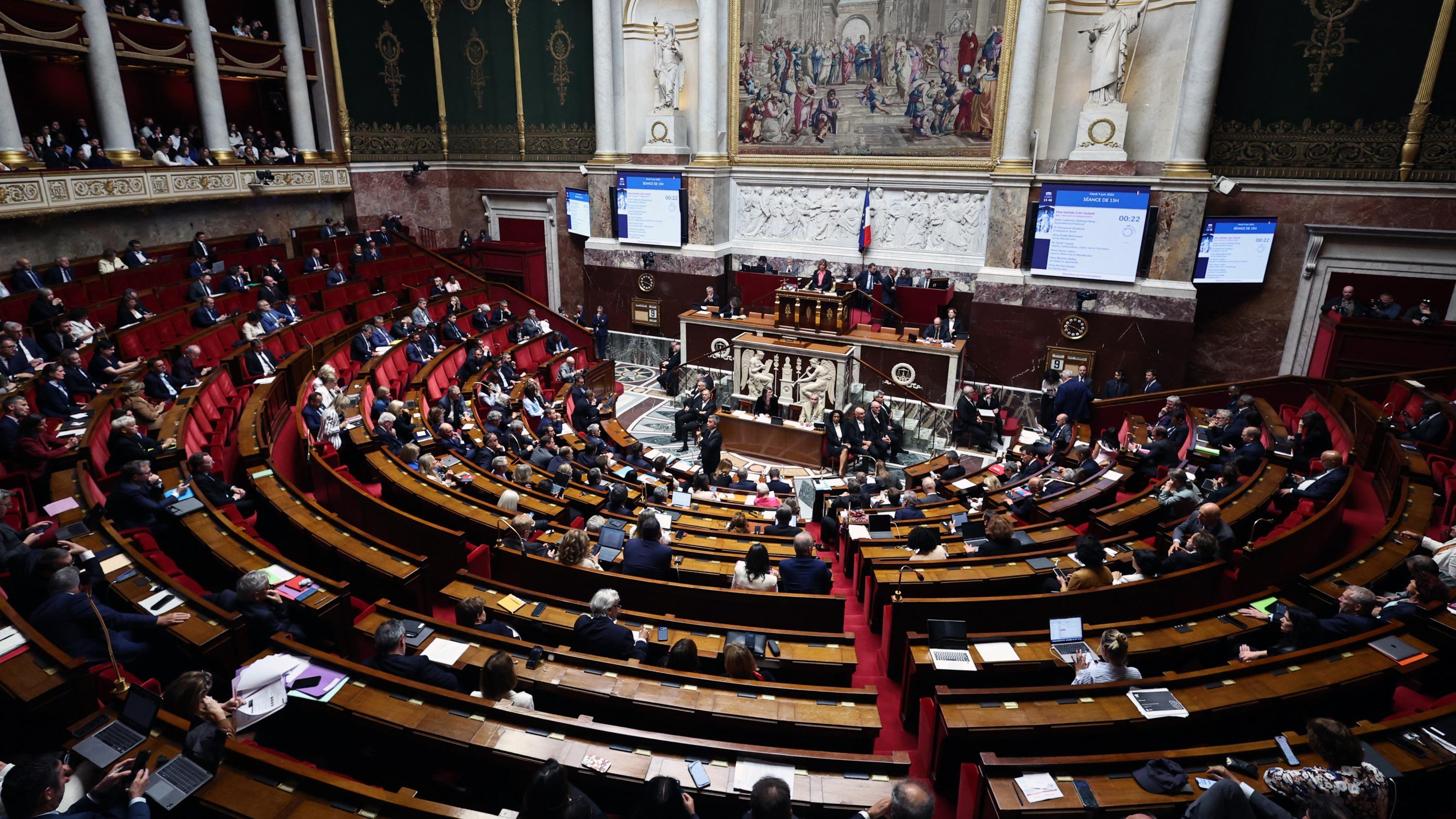
Thirty-five French deputies abstained during the final solemn vote on the end-of-life law. These abstentions stemmed from a perceived lack of sufficient information or elements to definitively vote either for or against the proposed legislation. The deputies expressed doubts but did not explicitly voice their opposition to the bill. This indicates a segment of the legislative body felt unable to commit to a stance due to unresolved questions or insufficient clarity surrounding the bill's provisions. The decision to abstain highlights a complex internal debate and a cautious approach among some lawmakers regarding this significant piece of legislation. The situation underscores the challenges in reaching a consensus on sensitive ethical and legal matters within the parliament.
The abstention of 35 deputies on the end-of-life law vote suggests a deliberative process where legislative uncertainty or a desire to avoid definitive commitment played a significant role. This outcome may reflect the inherent complexities of balancing individual autonomy with societal values and ethical considerations. Such hesitations can point to the need for enhanced public discourse and clearer legislative frameworks to address deeply held concerns. Moving forward, understanding the specific doubts held by these deputies could inform future legislative refinements, ensuring that all perspectives are adequately considered within the evolving landscape of end-of-life care policy.
AI-generated to prompt reflection — not editorial opinion, not advice, not a statement of fact. How this works.