French National Assembly Votes to Make Crimes Against Minors Unprescriptible
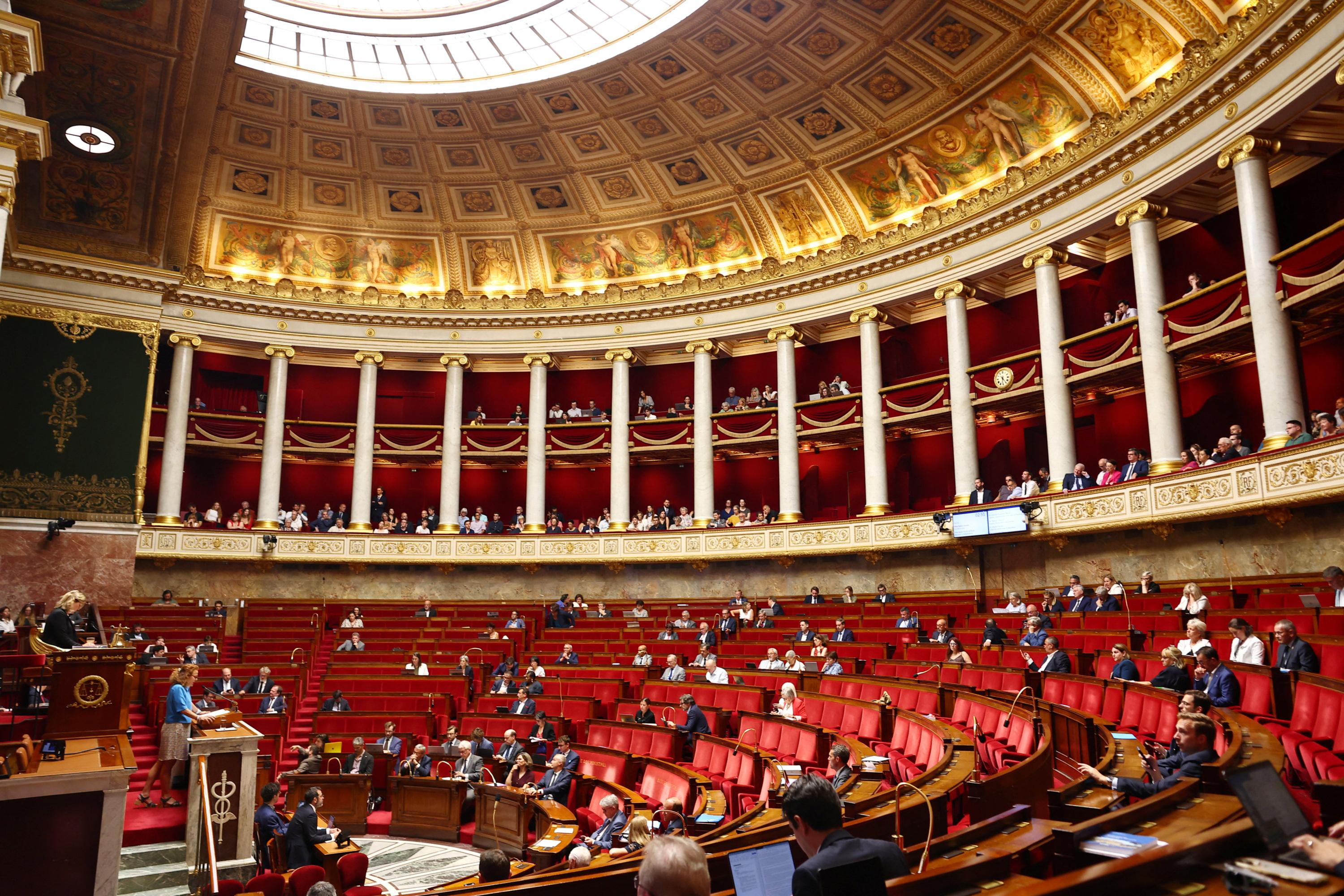
The French National Assembly has voted to make crimes committed against minors imprescriptible, meaning they will no longer be subject to a statute of limitations. This significant legislative change was approved with 93 votes in favor and 51 against. The amendment was championed by ecological deputy Arnaud Bonnet. This decision aims to ensure that perpetrators of crimes against children can be prosecuted regardless of how much time has passed since the offense occurred. The move is expected to provide greater justice for victims and encourage reporting of historical abuse. The new law will have profound implications for the legal system and victims' support services in France. It reflects a growing international trend towards strengthening protections for vulnerable individuals and holding offenders accountable over longer periods. The exact implementation details and scope of the law are yet to be fully clarified, but the principle of imprescriptibility for these severe offenses has been established.
The French National Assembly's decision to make crimes against minors imprescriptible addresses a critical gap in justice for victims of long-past abuse. By removing statutes of limitations, the legal framework now prioritizes accountability and victim redress over the passage of time. This legislative shift aligns with evolving societal norms that emphasize child protection and may incentivize reporting by offering a more reliable path to justice. From a systemic perspective, this change could lead to increased caseloads for judicial and law enforcement agencies, necessitating resource allocation and potentially impacting investigative capacities. The long-term implications involve re-evaluating historical cases and establishing robust support mechanisms for survivors who may come forward decades later, ensuring the justice system is equipped to handle the complexities of such prosecutions.
AI-generated to prompt reflection — not editorial opinion, not advice, not a statement of fact. How this works.