French Presidential Candidates Should Be Asked About Their 2016 Brexit Stance
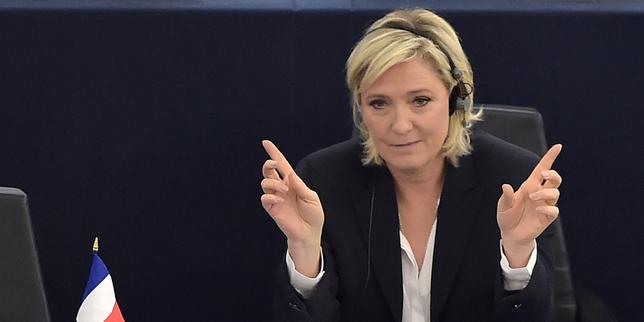
Alain Frachon, a columnist for Le Monde, argues that the lessons learned from the United Kingdom's 2016 vote to leave the European Union have been too quickly forgotten. He believes that all candidates running in the upcoming French presidential election should be directly questioned about their position during the Brexit referendum a decade ago. Frachon suggests that understanding a candidate's historical stance on such a pivotal European event is crucial for evaluating their current and future approach to the EU. This retrospective question aims to gauge their commitment to European integration and their understanding of its complexities. The columnist implies that this line of questioning is necessary to ensure transparency and accountability from those seeking to lead France. He posits that the implications of Brexit continue to resonate, and candidates' past views offer insight into their potential policies regarding France's relationship with the EU. Frachon's call highlights a perceived need for deeper reflection on European identity and the future direction of the continent among French political figures. The article suggests that a candidate's response could reveal underlying political philosophies and their preparedness to navigate future European challenges.
The call to question French presidential candidates on their 2016 Brexit stance highlights a persistent debate surrounding national sovereignty versus European integration. This retrospective inquiry aims to assess candidates' alignment with or divergence from prevailing European consensus, potentially revealing underlying ideological commitments. In the context of evolving geopolitical landscapes and the increasing influence of transnational challenges, understanding a candidate's historical perspective on a significant European event like Brexit provides a lens through which to analyze their strategic foresight and adaptability. It prompts consideration of how past decisions and their consequences inform present-day policy considerations regarding the EU's future architecture and France's role within it. This approach encourages voters to evaluate candidates not just on current platforms but also on their demonstrated understanding of complex, long-term European dynamics.
AI-generated to prompt reflection — not editorial opinion, not advice, not a statement of fact. How this works.