French Publisher's Resistance to Fatwa Over Salman Rushdie's 'The Satanic Verses'
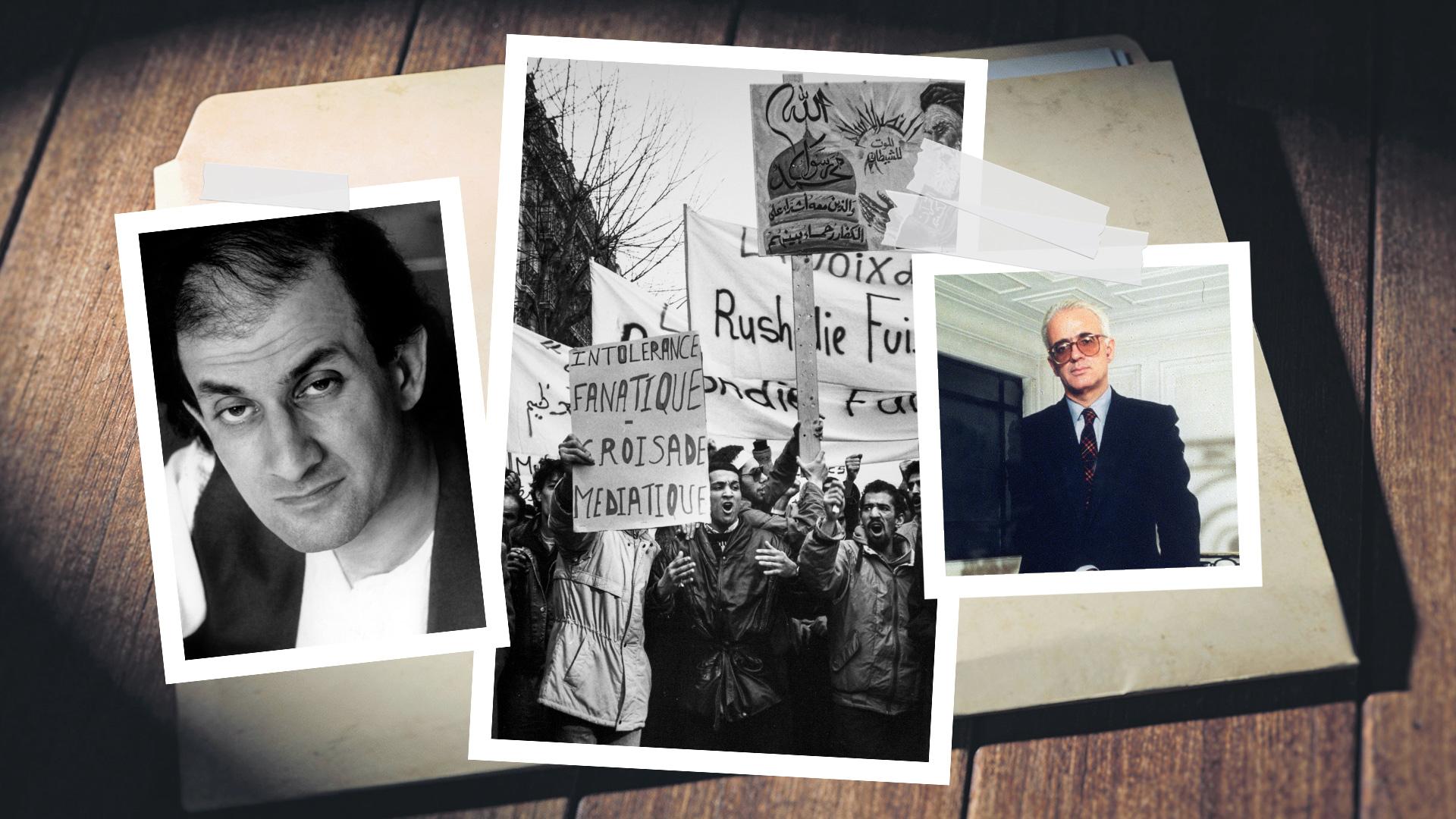
In 1989, the publication of Salman Rushdie's novel 'The Satanic Verses' led to severe threats against its French publisher, Christian Bourgois, issued by Iranian Islamists. The author, Salman Rushdie, was forced into hiding due to the fatwa pronounced against him. The novel's release sparked intense controversy and posed significant risks for those involved in its distribution. Christian Bourgois, as the publisher, faced direct threats, highlighting the dangerous climate surrounding the book's reception. This incident underscored the global tensions and ideological conflicts that can arise from literary works. The courage shown by Bourgois in the face of such intimidation demonstrated a commitment to freedom of expression. The events of 1989 had lasting repercussions for Rushdie and the publishing industry, emphasizing the vulnerability of authors and publishers to extremist pressures. The situation required extensive security measures and international diplomatic attention.
The 1989 fatwa against Salman Rushdie's 'The Satanic Verses' and the subsequent threats against his French publisher, Christian Bourgois, exemplify the complex interplay between freedom of expression, religious sensitivities, and geopolitical tensions. This event highlights how literary works can become flashpoints for ideological conflict, testing the resilience of democratic societies and their commitment to open discourse. The incident underscores the systemic risks faced by publishers and authors when confronting controversial topics, particularly in an era where global communication can amplify both support and opposition rapidly. Looking ahead, such events prompt reflection on the evolving landscape of censorship, the role of international law in protecting artistic freedom, and the need for robust institutional frameworks to safeguard against intimidation by state or non-state actors.
AI-generated to prompt reflection — not editorial opinion, not advice, not a statement of fact. How this works.