French Regions Most Vulnerable to Fire Risk Also See Highest Soil Sealing
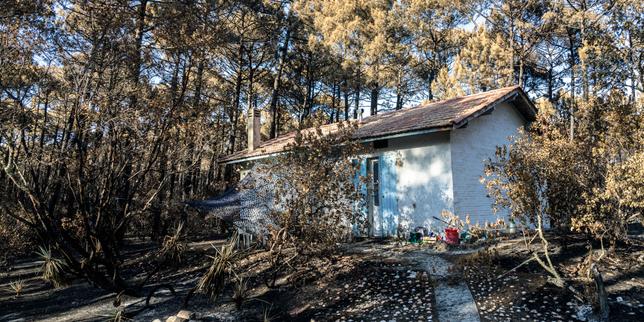
The French department of Gironde, which has been battling a massive wildfire since July 22, has experienced a significant reduction in forest cover over time, with land being converted for residential use. Geographer Christine Bouisset explained in an interview with Le Monde that this alteration of the territory may have exacerbated the risk of wildfires. Furthermore, the changes to the landscape could also complicate firefighting efforts. Bouisset's analysis highlights a correlation between increased soil sealing, defined as the covering of permeable soil with impermeable surfaces like buildings and roads, and heightened fire vulnerability. This phenomenon is not unique to Gironde, as the report suggests that regions most susceptible to fire risk are precisely those where soil sealing has advanced the most. The conversion of natural landscapes into built environments not only removes natural firebreaks but can also create conditions that facilitate the spread of fires. This trend raises concerns about land-use planning and its long-term implications for environmental safety and disaster management in France.
The observed correlation between increased soil sealing and heightened wildfire risk in French regions like Gironde suggests a critical tension in land-use policy. As urban and residential development expands onto previously natural or forested areas, the landscape's inherent resilience to fire diminishes. This dynamic raises questions about the long-term sustainability of current development patterns, particularly in the context of a changing climate that may increase fire frequency and intensity. Future planning frameworks will need to more effectively integrate ecological considerations and risk assessment, potentially by incentivizing development in less vulnerable zones or mandating stricter fire-prevention measures in newly developed areas. The challenge lies in balancing immediate housing needs with the imperative of ecological preservation and public safety over the next decade and beyond.
AI-generated to prompt reflection — not editorial opinion, not advice, not a statement of fact. How this works.