French Wildfire: International Aid Crucial for Largest Blaze Since WWII
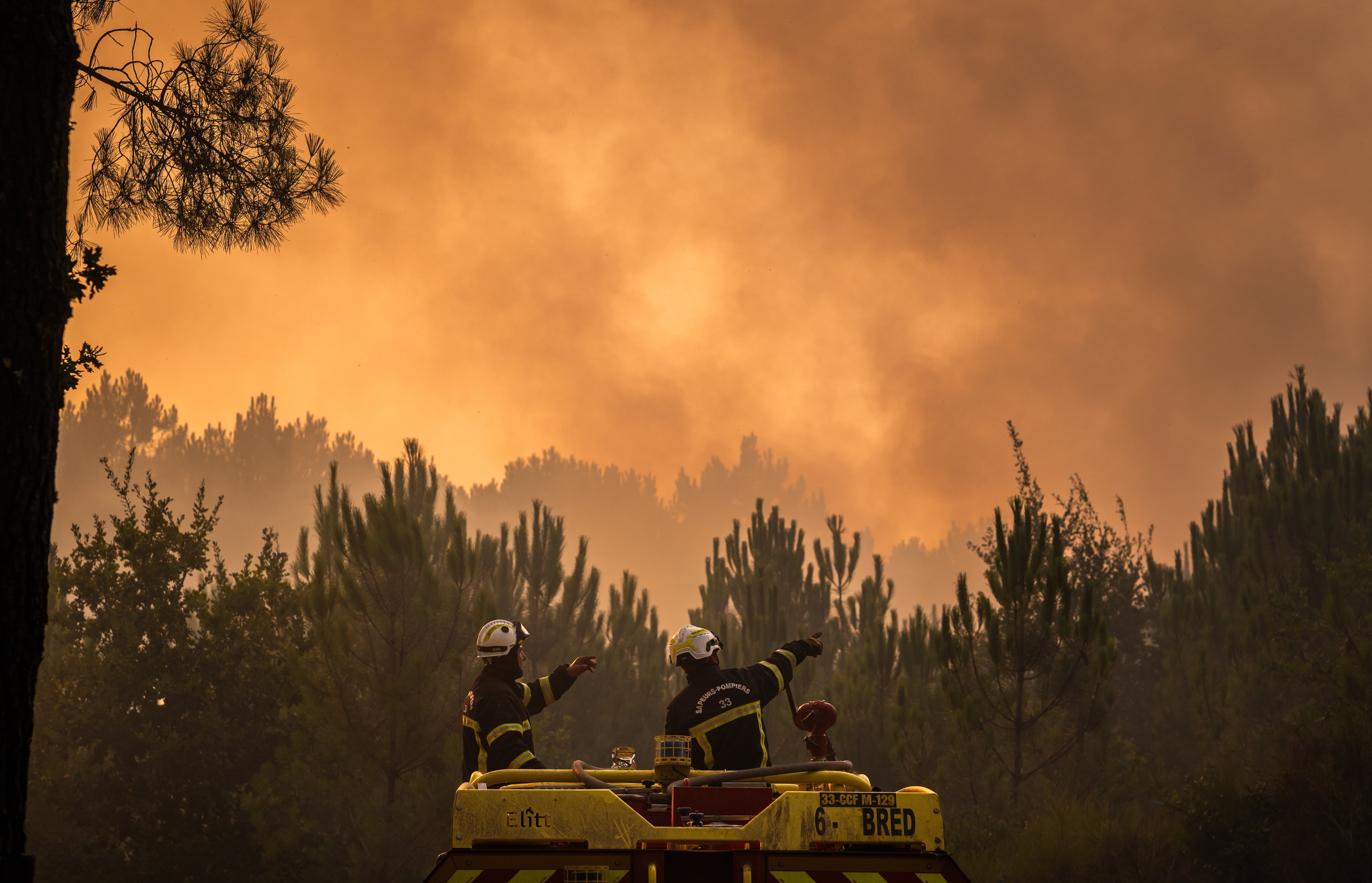
A massive wildfire in southwestern France, the largest since World War II, has necessitated the evacuation of 220,000 people over the past 10 days. The scale of the disaster has prompted significant debate regarding France's preparedness and adaptation strategies in the face of climate change. Officials have emphasized that without international solidarity and aid, the situation could have been far more dire. The fire's intensity and rapid spread have highlighted vulnerabilities in current firefighting capabilities and disaster response mechanisms. This event underscores the growing threat posed by extreme weather events, which are becoming more frequent and severe due to global warming. The extensive evacuations signal the profound impact on local communities, displacing thousands and disrupting daily life. The ongoing discussion centers on whether existing infrastructure and policies are sufficient to manage such escalating environmental crises. The need for enhanced international cooperation in disaster management and climate change mitigation is now a prominent point of concern. The long-term consequences for the affected regions, including ecological damage and economic recovery, are still being assessed.
The recent French wildfire, the largest since World War II, underscores the escalating challenges posed by climate change and the critical role of international cooperation in disaster response. The event highlights a potential systemic vulnerability in national preparedness for extreme weather events, prompting a necessary re-evaluation of adaptation strategies. The reliance on international aid suggests a need to bolster domestic resources and inter-agency coordination to manage future crises effectively. Looking ahead, the increasing frequency and intensity of such events necessitate long-term investments in climate resilience, early warning systems, and sustainable land management practices to mitigate future risks and protect affected populations.
AI-generated to prompt reflection — not editorial opinion, not advice, not a statement of fact. How this works.
