French Wildfires Burn Over 25,000 Hectares This Summer
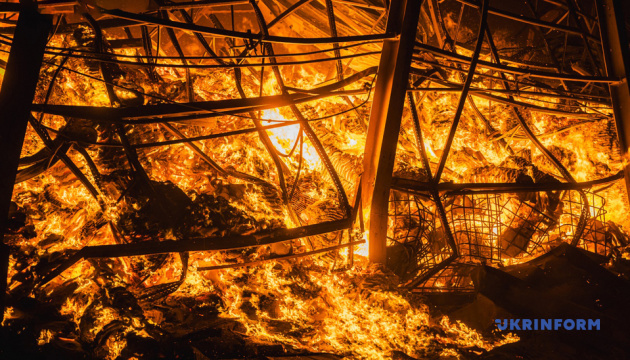
This summer, wildfires in France have ravaged more than 25,000 hectares of land. The extent of the damage highlights the ongoing challenges faced by the country in combating the increasing frequency and intensity of such events. The affected areas are spread across various regions, underscoring the widespread nature of the threat. Firefighting efforts have been extensive, involving numerous personnel and resources to control the blazes. The long-term ecological and economic impacts of these fires are yet to be fully assessed. This season's fires add to a growing trend of severe wildfire activity in France and across Europe. Authorities are continuing to monitor the situation and implement preventative measures. The cumulative impact of these events raises concerns about climate change adaptation strategies.
The extensive land affected by French wildfires this summer underscores the escalating environmental pressures associated with climate change. Increased temperatures and altered precipitation patterns create conditions ripe for large-scale fires, posing significant challenges to land management and ecological preservation. The recurring nature of these events suggests a need for robust, long-term strategies that integrate climate resilience into national policy. This includes investing in advanced fire detection and suppression technologies, as well as promoting sustainable land use practices that can mitigate fire risk. Furthermore, understanding the interplay between human activity and natural cycles is crucial for developing effective adaptation measures that safeguard both natural resources and communities.
AI-generated to prompt reflection — not editorial opinion, not advice, not a statement of fact. How this works.