French Wildfires Devastate Tourist Economy, Business Owners Fear for Future
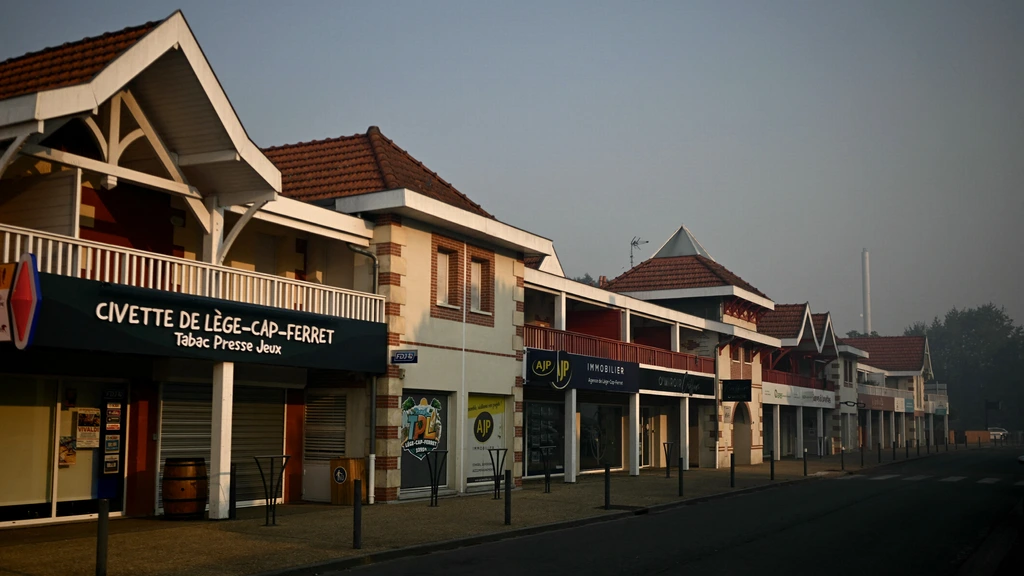
Thousands of entrepreneurs in France's Gironde department, a region heavily reliant on summer tourism, are facing severe economic hardship due to massive wildfires. The regional Chamber of Commerce estimates that approximately 15,000 businesses, including hotels, campsites, restaurants, and shops, have been impacted. The town of Lège-Cap-Ferret is experiencing a stark contrast to its usual bustling summer season, with empty streets and an ominous haze hanging over the area as firefighters battle a new blaze nearby. Mayor Philippe de Gonneville predicts enormous economic consequences, stating that 85% of the local economy depends on tourism, which is now critically affected, potentially ruining the entire season.
Jewelry designer Carole Maret, whose inspiration comes from the surrounding pine forests now charred by fire, is among the affected business owners. Her summer season, crucial for her annual income, has been disrupted. She was forced to evacuate her home and boutique with her family, leaving behind her jewelry. While her house was not directly damaged, she cannot return due to ongoing evacuation orders affecting most municipalities. Maret hopes for exceptional financial aid from the French government, similar to support provided during the COVID-19 pandemic, to cover her significant loss of turnover, as her business may not survive without it.
Mayor De Gonneville supports the call for aid, emphasizing the urgent need for government assistance for affected entrepreneurs. He has appealed to President Macron for specific support for tourism-dependent areas. President Macron has pledged continued government support for the reconstruction and recovery of the damaged regions. However, business owners like Maret anticipate a long road to economic recovery, even after the fires are extinguished, and fear that tourist activity may take years to return to normal.
The devastating wildfires in France's Gironde region highlight the vulnerability of economies heavily dependent on tourism and natural resources. The event underscores the systemic risk posed by climate change, which exacerbates the frequency and intensity of such natural disasters. While immediate relief and reconstruction efforts are vital, the long-term economic resilience of these communities hinges on diversification and adaptation strategies. Future planning must integrate climate risk assessment into economic development, potentially through investments in sustainable tourism models, fire prevention infrastructure, and support for businesses to pivot towards less climate-sensitive sectors. The situation also raises questions about insurance frameworks and government support mechanisms, prompting a review of how to adequately compensate for indirect economic losses beyond direct property damage, particularly for small businesses and artisans whose livelihoods are intrinsically tied to their local environment and seasonal demand.
AI-generated to prompt reflection — not editorial opinion, not advice, not a statement of fact. How this works.