Frenchman Confesses to Wife's Murder After Years of Silence
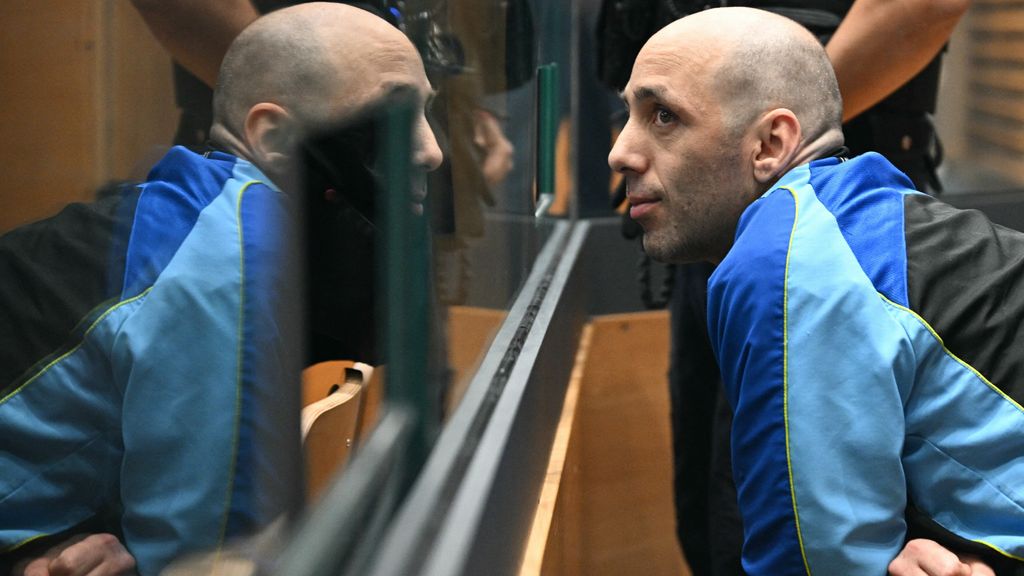
Cédric Jubillar, a Frenchman convicted of his wife Delphine's murder, has confessed to killing her in 2020 from prison. Despite the victim's body never being found, Jubillar was sentenced to 30 years in prison last year, having maintained his innocence throughout the trial. In a handwritten letter to his lawyers, the now 38-year-old admits responsibility for Delphine's death and promises to reveal the location of her body. He also confessed to using his car to transport the body after the incident. His lawyer suggested that solitary confinement may have prevented an earlier confession. Jubillar had initially reported his wife missing in December 2020, making numerous calls to the police and her phone in the following hours and days. Extensive searches, including those by cave divers in abandoned mine shafts, yielded no results. Six months later, Jubillar was arrested and interrogated but consistently denied any involvement. He was convicted last October, with an appeal scheduled for September. His lawyer stated that the killing resulted from "excessive violence" during a "marital argument," and that Jubillar "never intended to kill his wife." The lawyer also claimed Jubillar disposed of the body to shield their children from seeing it. The couple resided in Cagnac-les-Mines, in the Tarn department of Southern France. Delphine, 33, was a nurse, and they had two children, aged 6 and 1.5 years old. Cédric reportedly smoked cannabis daily and was frequently unemployed. Police investigations revealed the couple's unhappy relationship, frequent discussions about divorce, and Delphine's affair with an online acquaintance. The children's lawyer believes Jubillar's confession aims to reduce his sentence, as manslaughter carries a 20-year maximum, while femicide can result in life imprisonment. The lawyer expressed hope that Jubillar will now disclose the body's whereabouts.
This case highlights the complex interplay of domestic conflict, legal proceedings, and the psychological impact of incarceration. The confession, occurring years after the initial conviction and absence of a body, raises questions about the motivations behind the delayed admission and the potential influence of the prison environment. The legal strategy shift from denial to confession, particularly concerning the distinction between manslaughter and femicide, suggests a calculated attempt to mitigate sentencing, underscoring the critical role of intent in criminal justice. Future legal processes will likely focus on corroborating the confession and locating the victim's remains, while also examining the dynamics of spousal relationships and the systemic support available to families experiencing marital distress. The long-term societal implications involve understanding how such cases are processed and the effectiveness of rehabilitation and justice systems in addressing profound personal tragedies.
AI-generated to prompt reflection — not editorial opinion, not advice, not a statement of fact. How this works.