Fresh vs. Frozen Fruits and Vegetables: Which is More Nutritious?
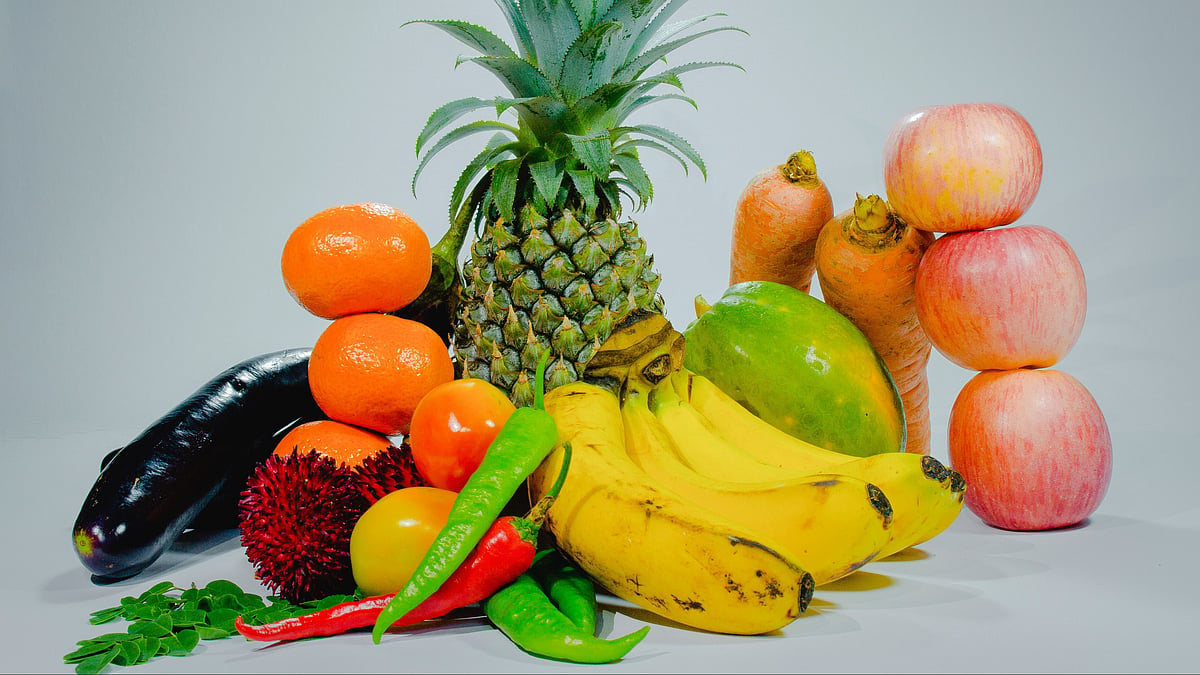
Consumers often assume fresh fruits and vegetables are always more nutritious than frozen options, leading many to prioritize purchasing fresh produce. However, nutritional science suggests that frozen fruits and vegetables can retain a similar, and sometimes even superior, nutritional value compared to their fresh counterparts. The primary challenge with fresh produce is the time elapsed between harvest and consumption. This period involves multiple stages, including collection, sorting, packaging, transportation, and retail display, which can take days or even weeks. During this extended process, nutrients, particularly Vitamin C and B vitamins, degrade due to exposure to heat, light, and oxygen. Therefore, fresh produce available in markets may not always be in its optimal nutritional state.
While fresh, seasonal fruits and vegetables offer unparalleled taste and quality when consumed quickly after local harvest, frozen options provide significant advantages for regular consumption. Properly frozen fruits and vegetables maintain their quality for extended periods, are readily available, and can be used quickly, making nutritious eating more accessible for those with busy lifestyles. This also contributes to reducing food waste, as frozen items have a longer shelf life. However, it is crucial to distinguish between plain frozen produce and those with added sugars, salts, sauces, or other processed ingredients; only the former are considered healthy choices. The cooking method also plays a vital role in nutrient preservation, with steaming, baking, or quick cooking methods retaining more nutrients than prolonged boiling.
Ultimately, the choice between fresh and frozen depends on accessibility and intended consumption time. If produce is genuinely fresh and will be eaten promptly, fresh is ideal. If it has traveled long distances or will be stored for a while, frozen may be more nutritious. The most important aspect of a healthy diet is the regular inclusion of fruits and vegetables, regardless of whether they are fresh or frozen. A balanced approach, incorporating both fresh and frozen options, offers the most practical solution for consistent healthy eating.
This article addresses a common consumer misconception regarding the nutritional superiority of fresh versus frozen produce. It objectively explains that the extended supply chain for fresh items can lead to nutrient degradation, making properly frozen options nutritionally comparable or even better. The analysis highlights that the key determinant of nutritional value is not solely the 'freshness' label but rather the time from harvest to consumption and the processing methods. For consumers, the emphasis should shift from a binary fresh/frozen choice to ensuring regular intake of fruits and vegetables, leveraging frozen options for convenience and waste reduction without compromising nutritional goals. This perspective encourages a more pragmatic approach to healthy eating, acknowledging the systemic factors influencing food quality and availability.
AI-generated to prompt reflection — not editorial opinion, not advice, not a statement of fact. How this works.