Frida Kahlo: Enduring Fashion Icon Inspiring Modern Styles
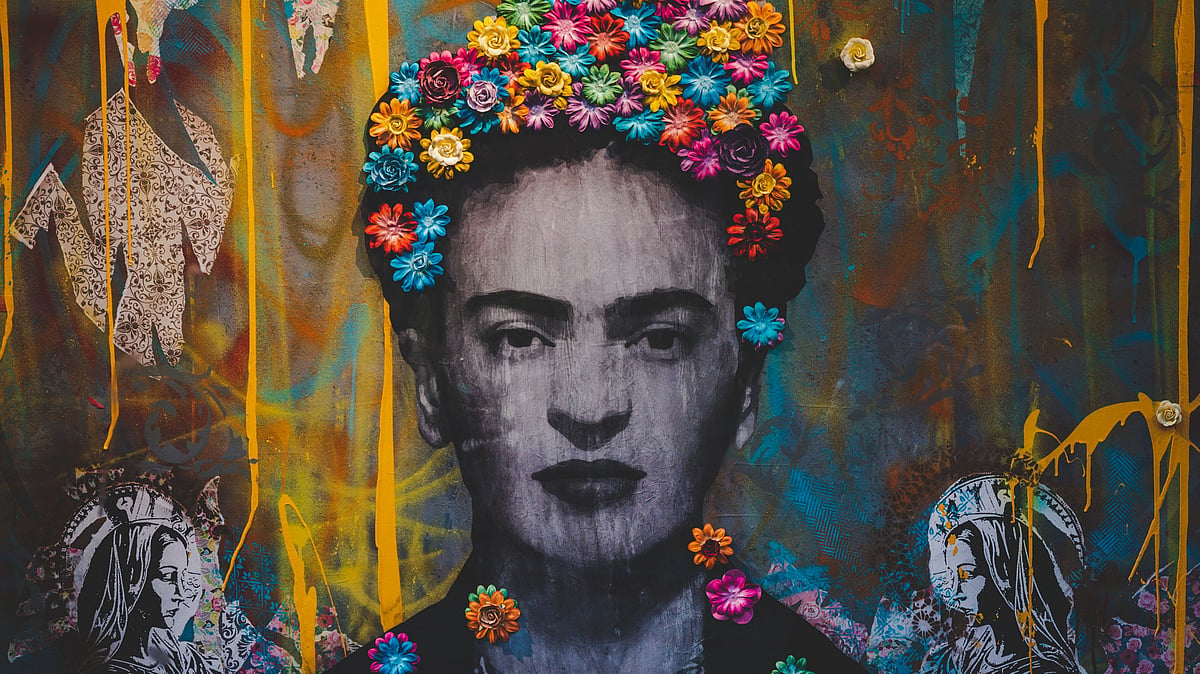
Mexican painter Frida Kahlo, born July 6, 1907, and died July 13, 1954, continues to be a significant fashion icon 64 years after her death. Her unique style, characterized by vibrant colors, elaborate jewelry, and distinctive clothing, celebrated life and expressed female strength rather than traditional femininity. Kahlo's personal story, marked by a severe bus accident at age 18 that left her physically impaired, deeply influenced her artistic and fashion choices. To conceal her physical limitations, she adopted long skirts, corset-style tops, and blouses, finding both comfort and style in her attire. Her prosthetic leg, adorned with red leather boots, laces, bells, and paint, is a testament to her resilience and artistic expression. Kahlo often wore traditional Tehuana clothing from the matriarchal region of Tehuantepec, further emphasizing her feminist identity. Her love for handcrafted bead jewelry and pendants also contributed to her unique aesthetic. Today, designers and beauty experts are still inspired by Kahlo's look, with her style appearing in modern fashion trends and even influencing social media personalities. In 2012, her former home in Coyoacán, Mexico, was transformed into a museum, showcasing her paintings, clothing, jewelry, and personal artifacts, preserving her legacy.
Frida Kahlo's enduring appeal as a fashion icon highlights the cyclical nature of style and the power of authentic self-expression. Her deliberate use of clothing to navigate physical challenges and assert identity demonstrates how personal circumstances can fuel distinctive aesthetic choices. This phenomenon underscores a broader societal shift, where individuals increasingly leverage personal narratives and unique styles to build personal brands and influence cultural trends. The commercialization of Kahlo's image, from museum exhibits to fashion inspirations, reflects the market's capacity to commodify artistic and personal legacies, raising questions about maintaining the integrity of such icons while capitalizing on their influence.
AI-generated to prompt reflection — not editorial opinion, not advice, not a statement of fact. How this works.