Friedrich Merz Denies Knowledge of Unofficial German-Russian Meeting in Baku
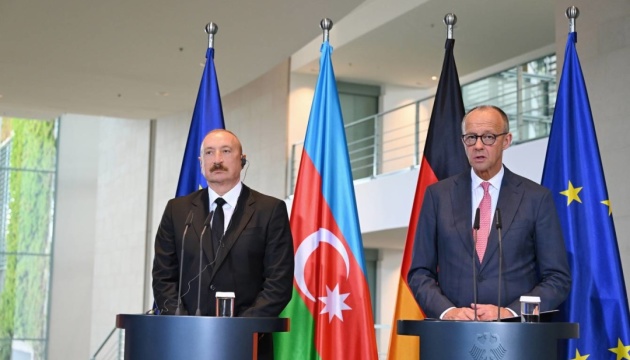
Friedrich Merz, the leader of Germany's Christian Democratic Union (CDU), has stated that he was unaware of an unofficial meeting that took place in Baku. The meeting reportedly involved former German politicians and representatives of the Russian government. Merz's office confirmed his lack of prior knowledge regarding this specific encounter. The details of the meeting, including who specifically attended from the German side and the nature of the discussions with Russian officials, have not been fully disclosed. This statement comes amidst ongoing diplomatic relations and tensions between Germany and Russia. The CDU leader's denial aims to distance him and his party from any potential implications of the meeting. Further information regarding the participants and the agenda of the Baku meeting is awaited.
The reported unofficial meeting between former German politicians and Russian officials in Baku raises questions about transparency in international dialogue. While direct knowledge denial by a political leader like Friedrich Merz can serve to manage public perception and political risk, it highlights the complex landscape of informal diplomacy. Such meetings, even if unacknowledged by current leadership, can influence policy discussions and bilateral relations. Understanding the incentives for both parties to engage in such dialogues, particularly concerning energy, security, or economic interests, is crucial. The event prompts consideration of governance frameworks that ensure accountability and public interest are prioritized in all forms of political engagement, especially when dealing with geopolitical adversaries. The long-term implications for German foreign policy and its relationship with Russia warrant careful observation as global dynamics evolve.
AI-generated to prompt reflection — not editorial opinion, not advice, not a statement of fact. How this works.