From 1776 Grounding to Lunar Ambitions: Humanity's Flight Progress
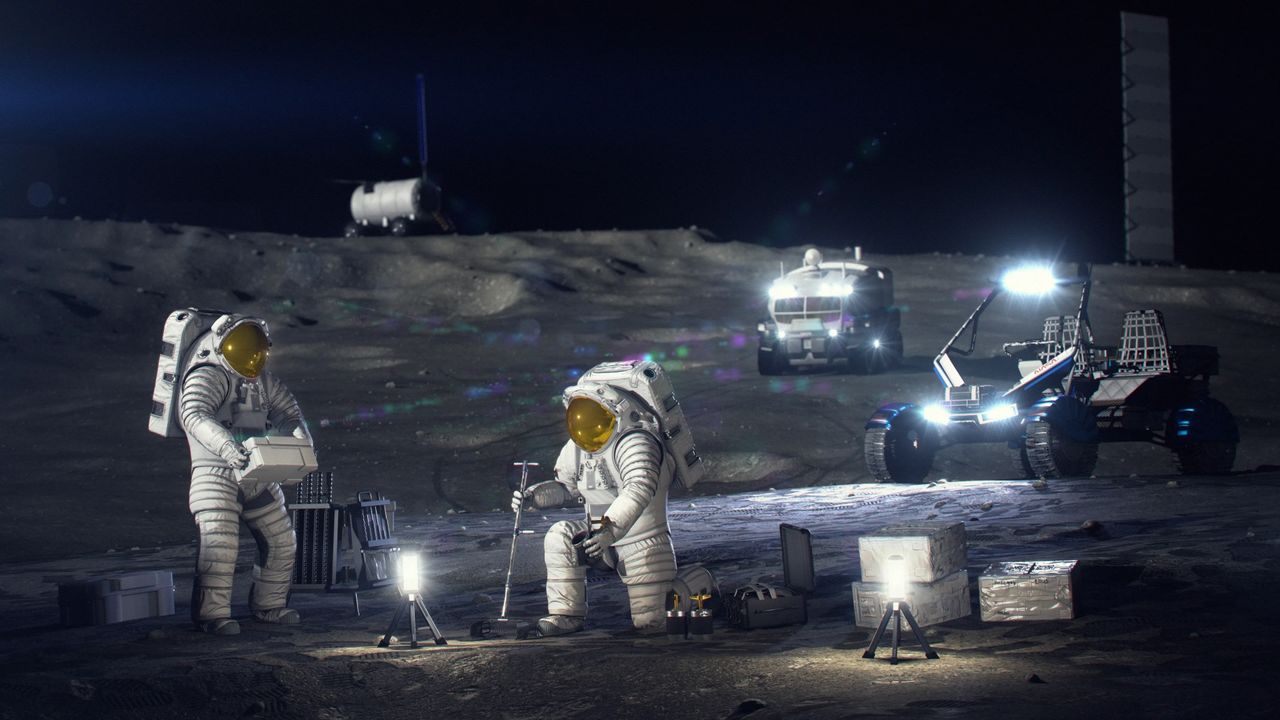
In 1776, the year the United States declared its independence, human flight was still a distant dream, with humanity firmly bound to the Earth's surface. Over the subsequent centuries, progress in aviation was gradual, marked by halting steps rather than rapid advancement. This historical context highlights the immense technological journey undertaken since the nation's founding. Today, humanity's aspirations have expanded dramatically, with current efforts focused on returning to the Moon. This shift signifies a profound evolution in our capabilities and ambitions regarding space exploration.
The narrative framing of progress from 1776 to the present day emphasizes a linear, accelerating technological trajectory, particularly in aviation and space exploration. This perspective can obscure the uneven distribution of resources and innovation across different eras and societies. While current ambitions for lunar missions are significant, the underlying drivers, such as geopolitical competition, scientific discovery, and commercial interests, warrant careful examination. Understanding these motivations is crucial for assessing the long-term sustainability and equitable impact of future space endeavors, especially in the context of evolving global priorities and the increasing influence of AI in technological development.
AI-generated to prompt reflection — not editorial opinion, not advice, not a statement of fact. How this works.