From America to Hunger Strike: Sonam Wangchuk's 37-Day Journey
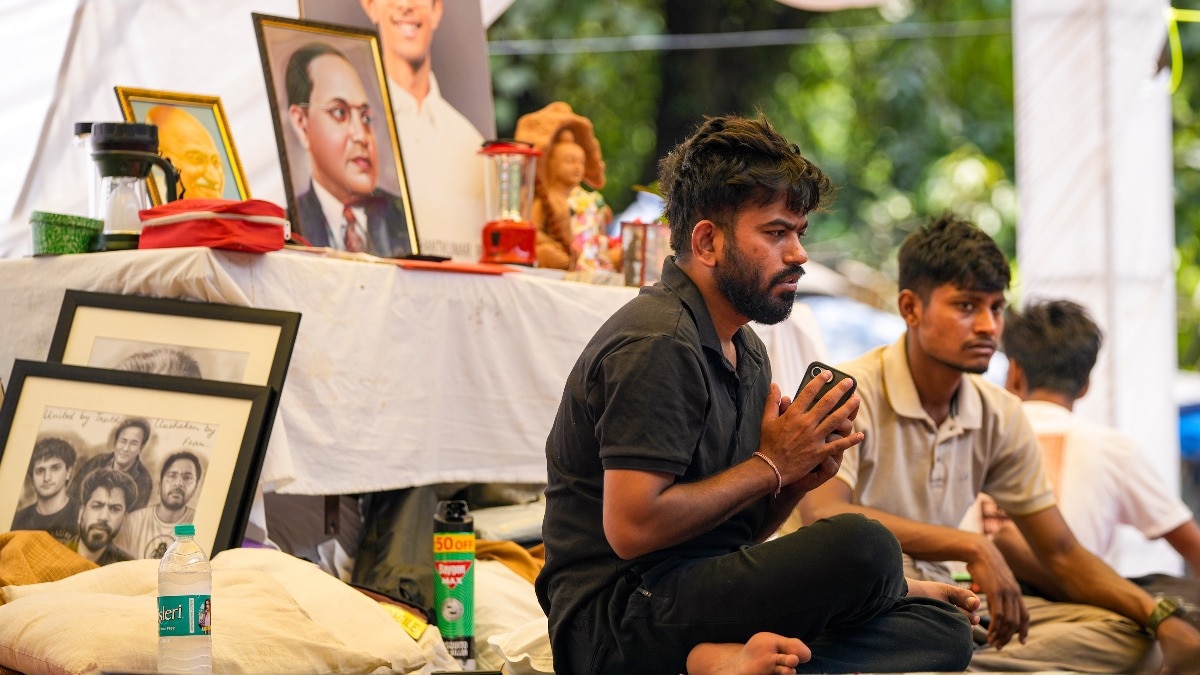
Social activist and academic Sonam Wangchuk began an indefinite hunger strike on June 28, in support of students. This action provided the movement with moral strength and sparked nationwide discussion. The movement gained further widespread support when Wangchuk's health deteriorated, necessitating his hospitalization. The article implies a significant shift or 'game change' occurred within 37 days, though the specifics of the initial 'flop' and the subsequent turnaround are not detailed in this excerpt.
The narrative highlights the power of symbolic action, such as a hunger strike, in galvanizing public support and conferring moral authority on a movement. The progression from initial challenges to broader engagement, marked by the activist's deteriorating health, illustrates a common dynamic where personal sacrifice can amplify a cause's visibility and impact. This suggests that the effectiveness of social movements often hinges on strategic moral framing and the ability to translate individual commitment into collective action, particularly in the context of student advocacy.
AI-generated to prompt reflection — not editorial opinion, not advice, not a statement of fact. How this works.