From Ancient Myths to Modern Awe: Humanity's Enduring Fascination with Eclipses
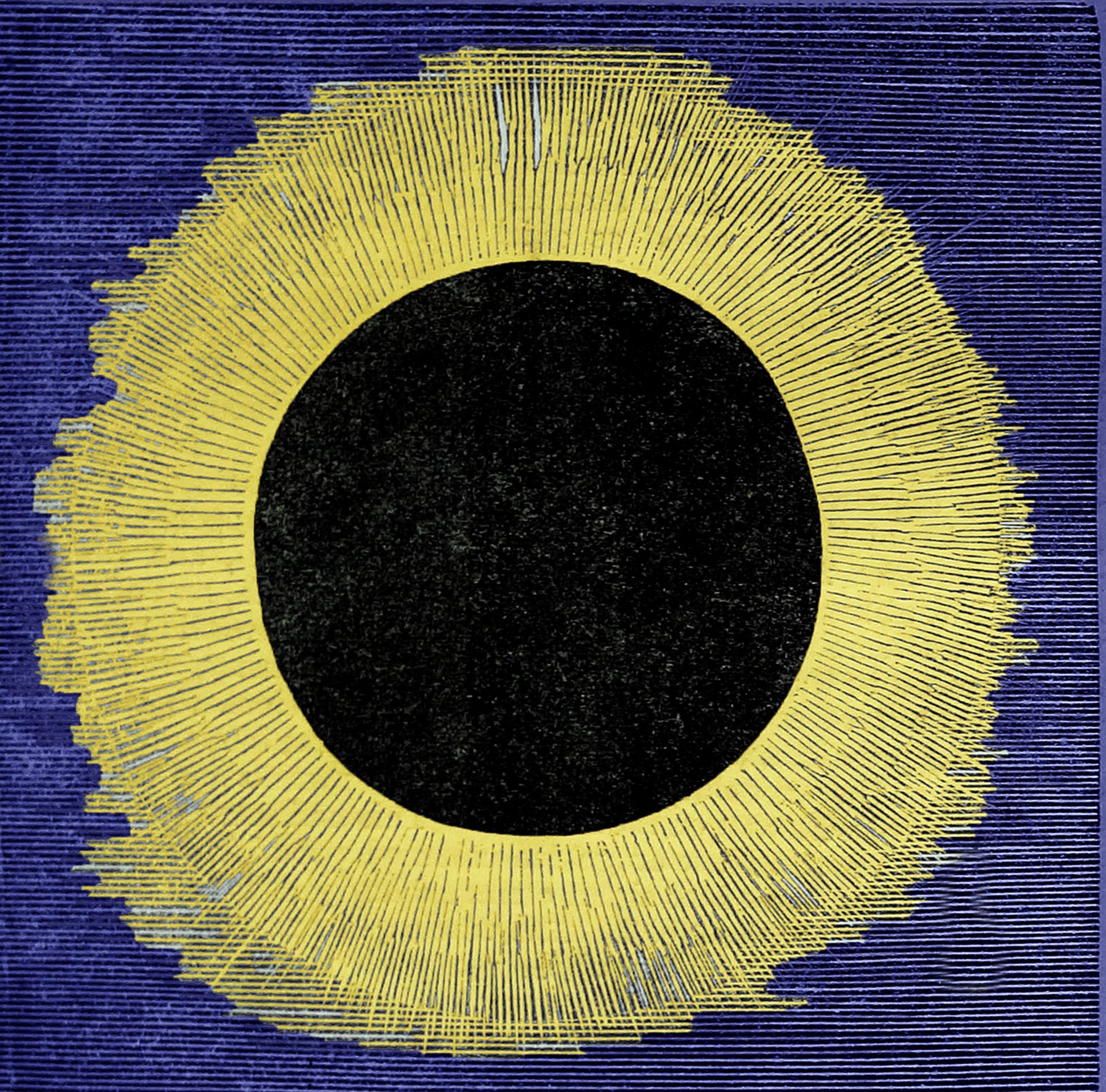
Humanity's fascination with eclipses spans millennia, with references found in Neolithic petroglyphs, ancient literature like the 'Odyssey,' and even modern comics such as Tintin. Historically, this curiosity was often intertwined with profound fear, as the sudden transition from day to night was associated with ill omens and dire events. However, our understanding has evolved, and eclipses are now primarily viewed as natural phenomena. Despite this shift, they continue to evoke deep and uniquely human emotions, particularly a sense of awe when confronted with the extraordinary. This enduring wonder will be palpable on August 12th, when a solar eclipse is set to be visible across a significant portion of Spain, reminding us of our ancient connection to celestial events.
The enduring human fascination with eclipses, evolving from ancient fears of ill omens to modern-day scientific observation and awe, highlights a persistent psychological response to celestial anomalies. This shift reflects a broader societal progression in understanding natural phenomena through scientific inquiry rather than superstition. As technology advances, the capacity to predict and observe these events increases, potentially diminishing the element of the unknown. However, the intrinsic spectacle of an eclipse continues to foster collective experiences of wonder, underscoring a fundamental human need to connect with the cosmos and confront the extraordinary, even within a rationalized worldview. The upcoming August 12th solar eclipse in Spain offers a contemporary instance of this enduring cultural and emotional resonance.
AI-generated to prompt reflection — not editorial opinion, not advice, not a statement of fact. How this works.