From Babylonians to the 2026 Eclipse: Humanity's Journey in Predicting Solar Eclipses
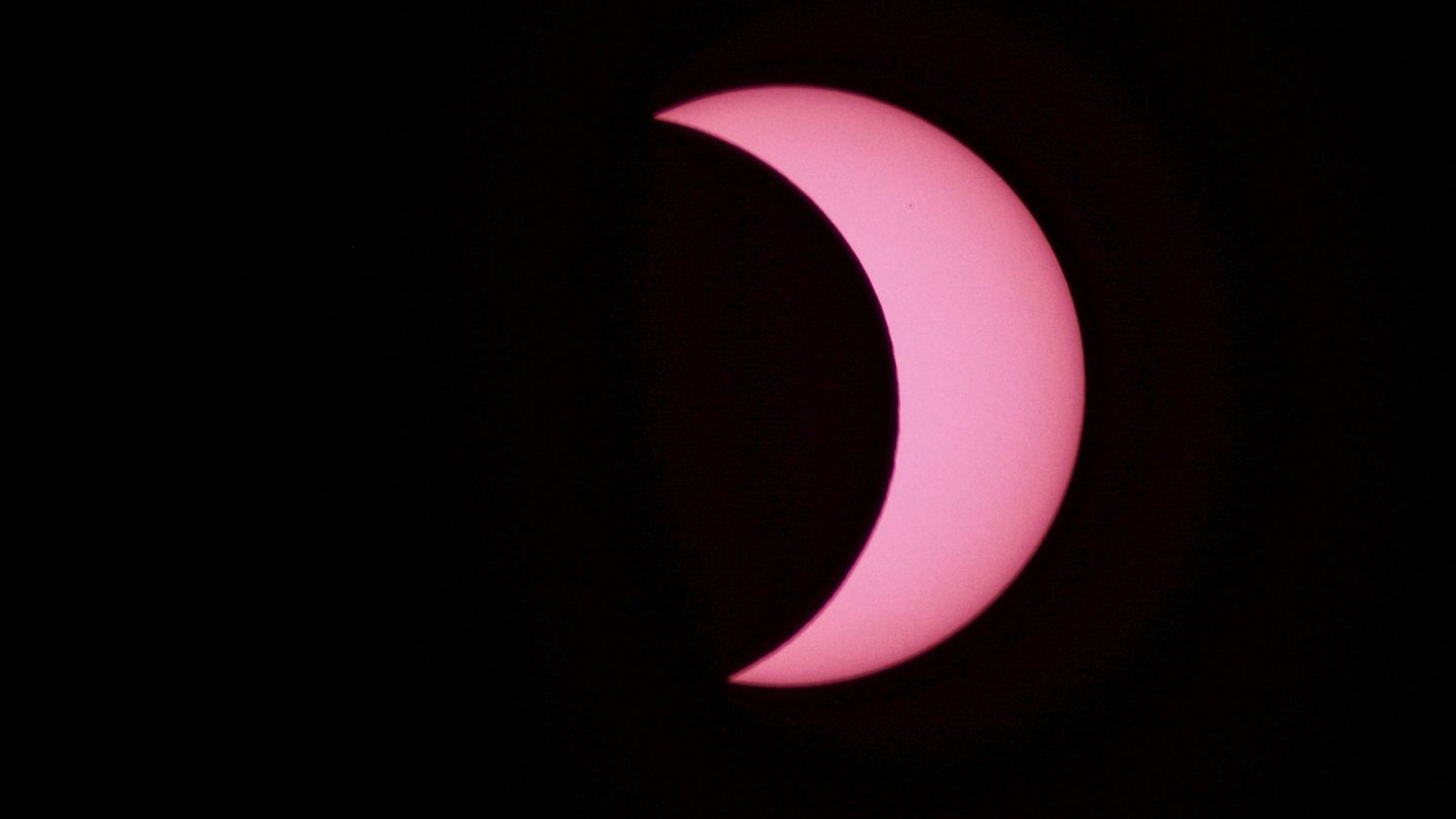
The ability to predict solar eclipses, whether total or partial, represents a spectacular achievement in human scientific endeavor. This capability has evolved significantly over millennia, allowing humanity to anticipate these celestial alignments. Such predictions are not merely for astronomical curiosity; they remain crucial for ongoing scientific study of the Sun. Early civilizations, like the Babylonians, laid foundational groundwork for understanding these phenomena. Their observations and calculations marked the initial steps in deciphering the complex celestial mechanics involved. Over centuries, astronomers refined these methods, incorporating new mathematical tools and observational techniques. This continuous refinement has led to the precise predictions we can make today, including for the upcoming total solar eclipse on August 12, 2026. The journey from ancient observations to modern predictive models highlights humanity's persistent quest for knowledge about the cosmos and our place within it. Understanding eclipse prediction is intrinsically linked to our broader understanding of the Sun and its influence.
The historical progression of eclipse prediction showcases humanity's capacity for developing sophisticated observational and mathematical frameworks to understand complex natural phenomena. This long-term scientific endeavor, spanning from ancient Babylonian records to modern astronomical models, demonstrates a consistent drive to demystify celestial events. The ongoing utility of eclipse prediction for solar research underscores the value of foundational scientific pursuits, even as technology advances. This historical trajectory offers a lens through which to view the evolution of scientific methodology and the enduring human impulse to map and comprehend the universe, providing a stable foundation for future astronomical discoveries.
AI-generated to prompt reflection — not editorial opinion, not advice, not a statement of fact. How this works.