From Berlin to Dresden: A Journey Through German Landscapes and History
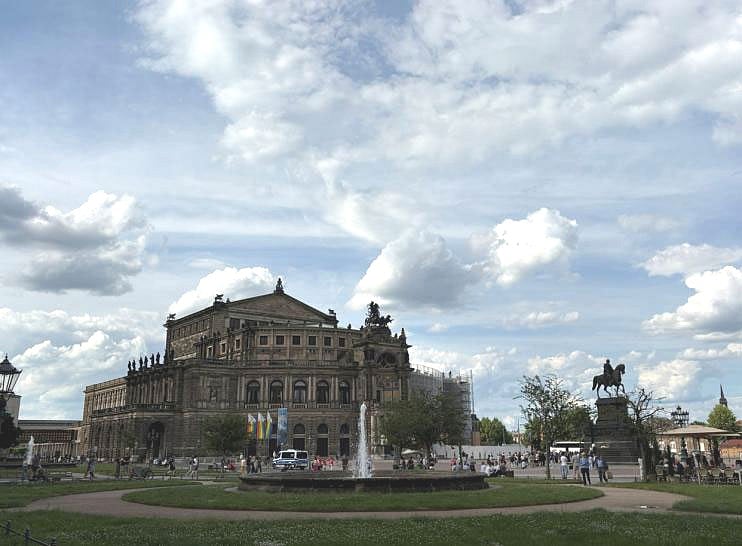
The author recounts a bus journey from Berlin to Dresden, highlighting the scenic beauty of the German countryside. The trip, lasting about two and a half hours, offered views of vast green fields, small villages with red-tiled roofs, and church spires, showcasing a tranquil European rural setting. The well-maintained roads and organized infrastructure, including large forests and small rivers, demonstrated a harmonious coexistence between nature and human settlement. The presence of numerous wind turbines along the route underscored Germany's commitment to renewable energy and sustainable development, blending modern technology with the natural landscape. Upon arrival in Dresden, the author was met by their niece, Jui, and her husband Faisal, a successful electrical engineer who has become a German citizen and works for a multinational semiconductor company. The visit included spending time with their three-year-old daughter, Safia, and experiencing the local expatriate Bangladeshi community. A significant event during the visit was witnessing the Dresden LGBT+ Parade on June 6th, an event celebrating diversity that transformed the city into a festive atmosphere, though it presented a cultural contrast to the author's background. The narrative then delves into Dresden's rich history, describing it as a city of 'Elbe's Florence,' renowned for its art, architecture, and resilience, having been rebuilt after World War II. Key historical sites explored include the Altstadt (Old Town), which stands as a testament to meticulous reconstruction of Baroque architecture, and the Brühl's Terrace, known as 'Europe's Balcony,' offering panoramic views of the Elbe River. The visit also included the Zwinger Palace, a masterpiece of Baroque architecture housing significant art collections, including Raphael's 'Sistine Madonna,' described as a 'paradise for art lovers.' The author reflects on Dresden as a symbol of human willpower and perseverance, demonstrating that rebirth is possible even after immense destruction. The day concluded with a sense of peace derived from family connections and shared moments, despite the impending departure, with a promise to explore more of Dresden on a future visit.
The narrative offers a personal travelogue that touches upon themes of cultural observation, urban reconstruction, and the integration of renewable energy. The author's description of Dresden's post-war rebuilding highlights the enduring capacity for societal renewal and the preservation of cultural heritage against overwhelming odds. The observation of wind turbines reflects a broader European trend towards energy transition, presenting a visual metaphor for technological advancement coexisting with traditional landscapes. The author's candid reflection on the LGBT+ parade, while noting a 'cultural shock,' frames it within the context of respecting local customs while prioritizing personal comfort and family experience. This approach avoids judgment and instead emphasizes the subjective nature of cultural encounters. The overall tone suggests a positive engagement with Germany's infrastructure, historical depth, and commitment to sustainability, while acknowledging the personal significance of family connections in a foreign land.
AI-generated to prompt reflection — not editorial opinion, not advice, not a statement of fact. How this works.