From Classroom Chairs to Sofas: What Changed Between Two Constitution Club Meetings?
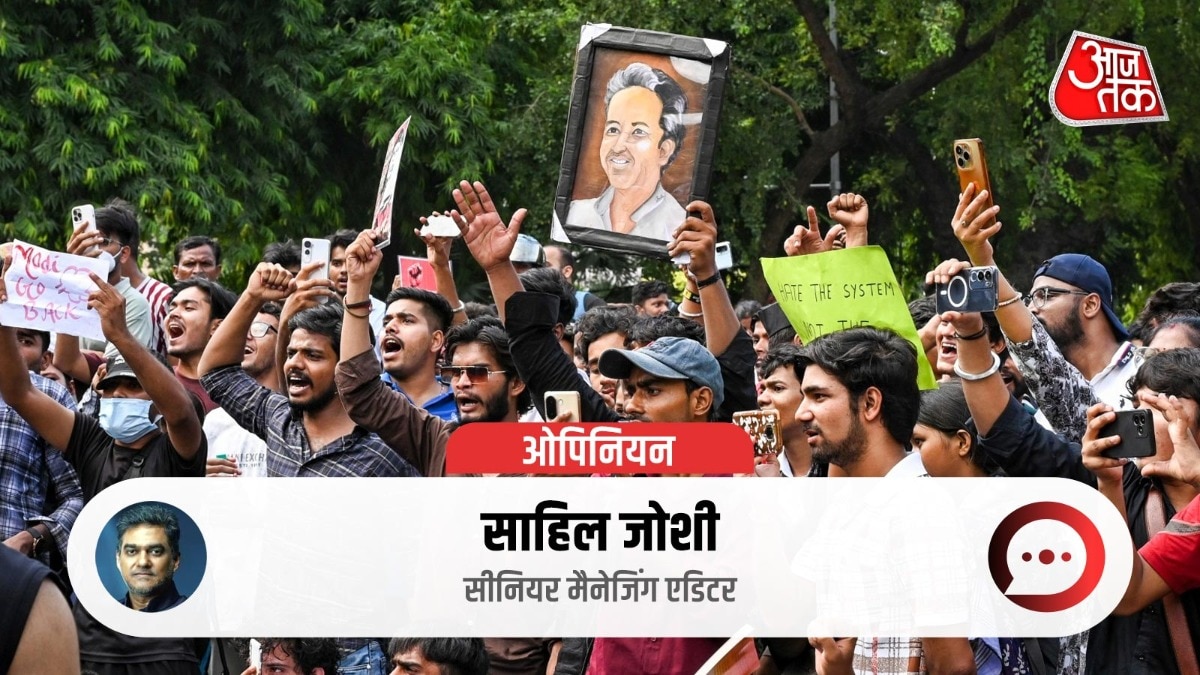
Following a significant protest at Jantar Mantar organized by the Cockroach Janata Party (CJP), two meetings were held at the Constitution Club between the Modi government and the protestors. The shift in the setting from classroom chairs to sofas in these meetings dramatically altered the atmosphere of the discussions. This change in venue and seating arrangement symbolized a potential shift in the government's engagement with the protestors' demands. The CJP's strong demonstration at Jantar Mantar had clearly influenced the government's approach. The visual contrast between the two meetings, as depicted in the photographs, highlighted the evolving dialogue. This transition suggests a move towards a more formal or perhaps conciliatory negotiation process. The initial setting likely represented a more confrontational stance, while the latter implies a willingness to engage on different terms. The outcome of these discussions remains to be seen, but the change in the meeting environment is noteworthy.
The visual shift in meeting settings, from classroom chairs to sofas, indicates a potential evolution in negotiation dynamics. This change may reflect a government's strategic adaptation to public pressure, moving from a potentially more rigid or formal initial stance to one that appears more accommodating or open to dialogue. Such adjustments can be driven by a desire to de-escalate tensions, manage public perception, or explore alternative resolution pathways. The underlying incentive structures for both the government and the CJP likely involve achieving policy objectives while maintaining political capital. This event prompts consideration of how institutional settings influence negotiation outcomes and whether symbolic gestures precede substantive policy shifts.
AI-generated to prompt reflection — not editorial opinion, not advice, not a statement of fact. How this works.