From Darwin to Voles: The Paradox of Attraction Between Cousins
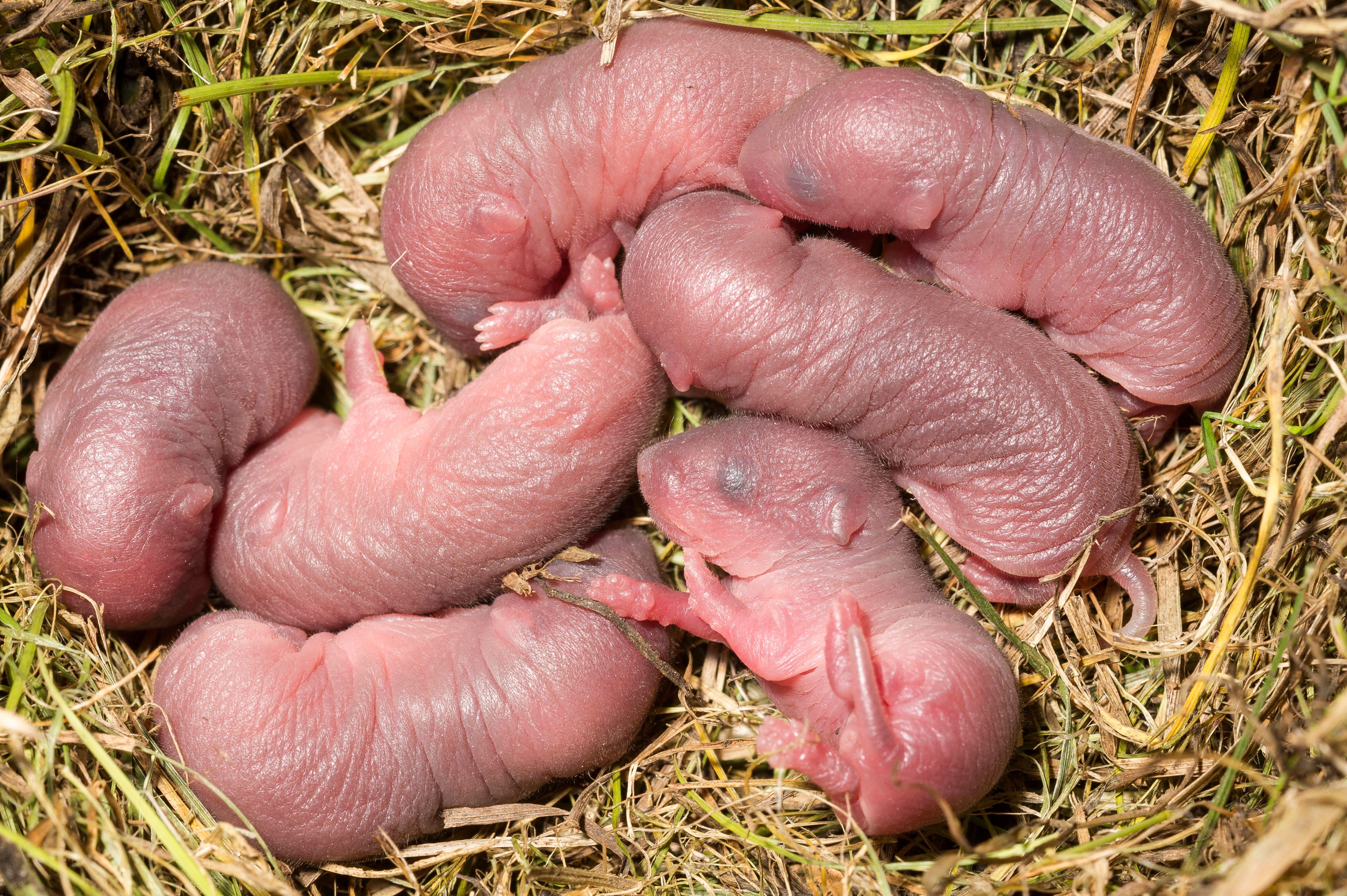
Contrary to common assumptions, scientific studies reveal that animals do not always avoid mating with relatives. While it is often believed that species instinctively steer clear of inbreeding, research indicates a more complex reality. This challenges the widespread notion that avoiding close genetic relationships is a universal biological imperative. The findings suggest that the avoidance of inbreeding might not be as absolute or as universally driven as previously thought. This paradox, observed from Darwin's studies to contemporary research on voles, highlights the nuanced strategies animals employ in mate selection. It prompts a re-evaluation of evolutionary biology principles concerning genetic diversity and reproductive success. The research implies that the perceived avoidance of endogamy may be influenced by various ecological and social factors, rather than a simple, innate aversion. Therefore, the evolutionary advantage of avoiding mating with kin is not as straightforward as once presumed.
The observation that animals do not universally avoid mating with relatives challenges a foundational assumption in evolutionary biology. This suggests that the perceived drive to maintain genetic diversity through avoiding inbreeding may be more context-dependent than previously understood. Factors such as population density, resource availability, and social structures likely influence the prevalence and consequences of endogamy. Future research could explore the specific genetic mechanisms and environmental pressures that shape these varied reproductive strategies. Understanding these dynamics is crucial for conservation efforts, particularly in fragmented habitats where relatedness among individuals may increase, and for comprehending the complex interplay between genetic fitness and ecological pressures over evolutionary timescales.
AI-generated to prompt reflection — not editorial opinion, not advice, not a statement of fact. How this works.