From Death Row to Bestselling Author: The Criminal Journey of French Crime Writer José Giovanni
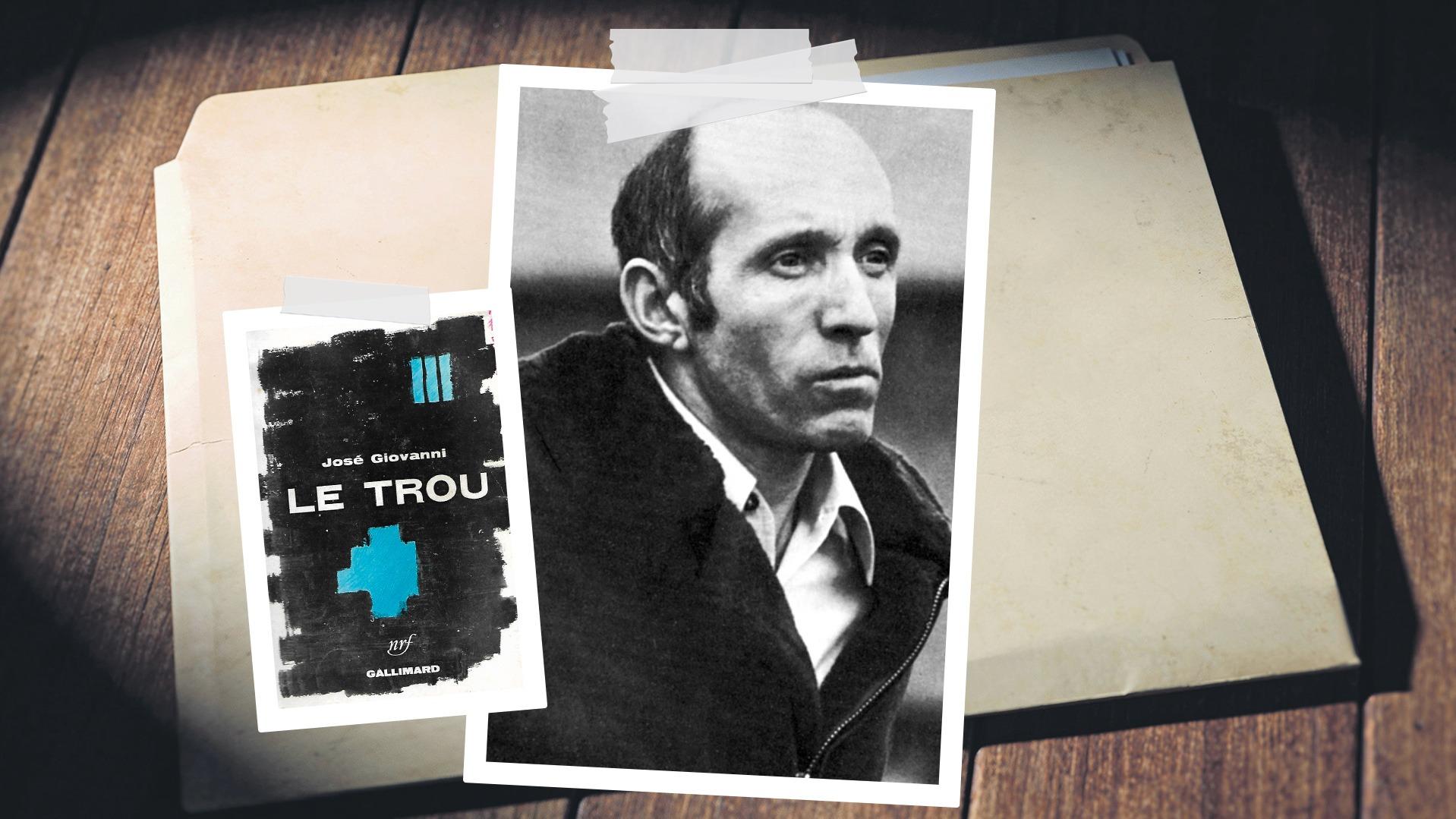
Joseph Damiani, who later became known as the crime writer José Giovanni, faced a death sentence in 1948. He was convicted of collaboration, attempted escape, and murder. On July 10, 1948, the young Damiani was sentenced to death but was subsequently pardoned by President Auriol. A decade later, his first novel was published by Gallimard, under the pseudonym José Giovanni. This marked a dramatic shift in his life, transforming him from a condemned criminal into a celebrated author in the French literary scene.
The trajectory of Joseph Damiani, alias José Giovanni, from a death sentence for serious crimes to literary acclaim highlights the complex interplay between personal redemption, societal perception, and the publishing industry. His pardon and subsequent success raise questions about the rehabilitation of individuals with criminal pasts and the potential for creative expression to transcend prior transgressions. This case prompts consideration of how legal systems balance punishment with opportunities for reintegration and whether the narrative power of a life story can influence public and critical reception of artistic works. The transition underscores the enduring human capacity for reinvention and the potential for individuals to find new paths, even after profound legal and personal challenges.
AI-generated to prompt reflection — not editorial opinion, not advice, not a statement of fact. How this works.