From E-commerce to AI: A Chinese Entrepreneur's Decade-Long Journey Abroad
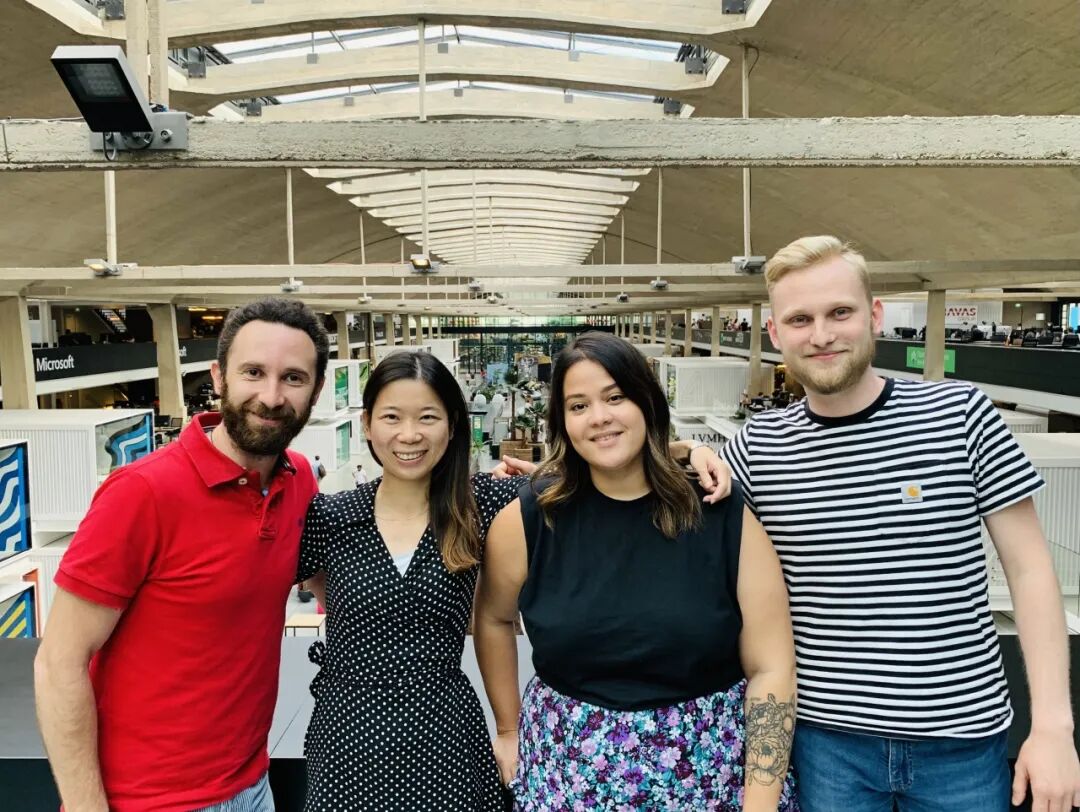
Li Luwei, a Chinese national who moved to France for studies a decade ago, has successfully transitioned from building a thriving cross-border e-commerce business to entering the artificial intelligence sector. In 2017, she founded Import Market Sales (IMS), a B2B2C platform specializing in outdoor furniture, connecting Chinese manufacturers with European e-commerce platforms and consumers. Operating without external funding, her company achieved cumulative sales of 35 million euros over nine years, collaborating with over 20 European platforms and serving more than 80,000 direct customers with a lean team of seven. Her initial venture was recognized by French institutions like Station F and the French Tech initiative for its innovative approach and entrepreneurial spirit.
However, the landscape shifted around 2023 due to rising inflation in France, which reduced consumer purchasing power and increased market competition from lower-cost players like Temu and Shein. The increasing homogenization of cross-border e-commerce products and intensified competition prompted Li to re-evaluate her business strategy. Her pivot towards AI was inspired by observing the growing discussion around Chinese AI models like DeepSeek during a business trip to Morocco in early 2025. Recognizing the burgeoning potential of AI, she joined ByteDance in London to focus on developing global partnerships and ecosystems for large AI models.
Li notes that while major US companies like OpenAI, Anthropic, and Google lead in foundational AI model capabilities, European companies like Mistral are emerging, often favored for government contracts and focusing on localized solutions. She observes that unlike the price-driven success of earlier Chinese exports, AI products with strong technical capabilities, robust data security, and local compliance can command premium pricing. Despite the challenges of navigating Europe's fragmented market, with its diverse national regulations and business practices, Li believes her decade of experience in cross-border operations provides a strong foundation for success in the AI sector, emphasizing the need for localized adaptation and collaboration.
This narrative highlights a significant shift in global export dynamics, moving from physical goods to advanced technology like AI. The entrepreneur's journey from e-commerce to AI reflects a broader trend where nations with strong manufacturing bases are leveraging their capabilities to develop and export sophisticated digital products. The analysis of the European AI market by the subject points to a complex landscape where established global players face competition not only from emerging local entities but also from Chinese firms that can potentially offer competitive technological advantages alongside strong data security and compliance. The challenges of market fragmentation and localization in Europe, while significant, are framed as familiar hurdles from previous cross-border ventures, suggesting that adaptability and deep market understanding remain critical success factors. This transition underscores the evolving nature of international trade and the increasing importance of technological innovation and strategic partnerships in driving future economic growth.
AI-generated to prompt reflection — not editorial opinion, not advice, not a statement of fact. How this works.