From Layoff to Million-Dollar Business: Refillable Whiteboard Markers
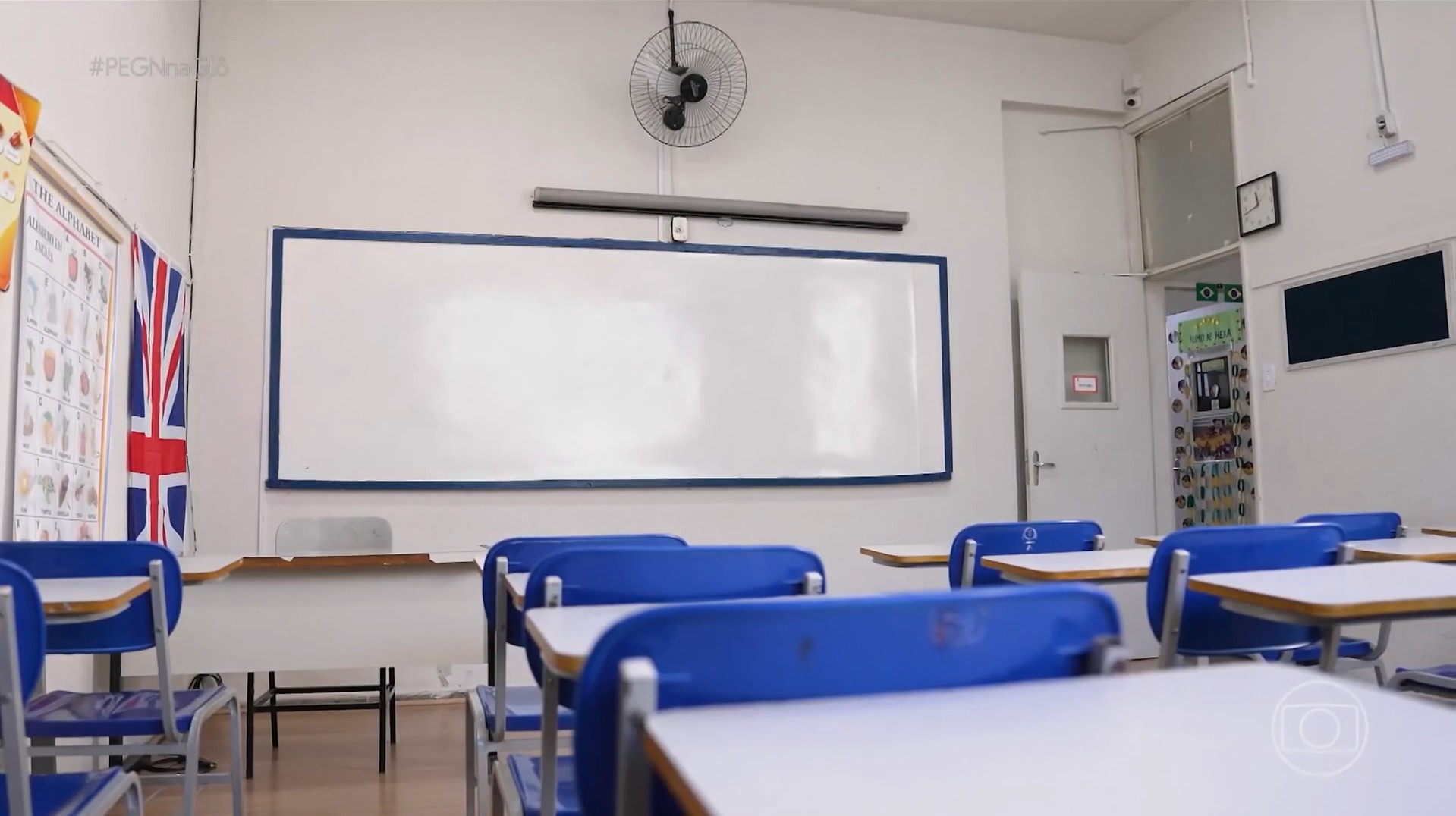
After being laid off, Brazilian entrepreneur Cássio Braga transformed a cost-saving idea for schools into a thriving business now generating R$2 million annually. The concept originated when a school employee suggested refilling whiteboard markers instead of constantly replacing them, a problem exacerbated by the shift from chalkboards. Braga, who previously worked with printer cartridge refills, saw a market opportunity. He initially developed the business on the side while still employed, but after his company closed, he fully committed, securing R$7,000 from a supplier to rent space and purchase equipment. His initial strategy involved direct sales to schools, highlighting the cost savings and environmental benefits of refilling markers. The business experienced consistent growth until the COVID-19 pandemic, which forced a pivot. With schools closed, Braga reinvented the company by manufacturing his own non-toxic ink for refills and focusing on online sales through marketplaces, effectively rebuilding the business from his home. Today, his factory spans 700 square meters, producing approximately 5 tons of ink and 5,000 markers monthly, alongside erasers and cleaning supplies. The company also produces its own cardboard packaging to reduce logistics costs. His wife, Franciana Leão, manages finance and marketing. Sales are predominantly through marketplaces and distributors, reaching nationwide. The company has also expanded internationally, securing deals to supply products to Argentina and Chile. Braga aims to further automate production and expand the brand's reach, emphasizing the potential for cost reduction and sustainability through marker refilling.
This case study illustrates how a perceived operational inefficiency in the education sector—the cost of disposable whiteboard markers—can be addressed through a circular economy model. The entrepreneur's journey from job loss to a profitable venture highlights the importance of identifying unmet needs and adapting to market disruptions, such as the pandemic. The business's success hinges on its dual value proposition: economic savings for educational institutions and environmental sustainability through material reuse. Future growth may depend on scaling production efficiently, navigating competitive landscapes, and potentially developing proprietary ink formulations or marker designs to further differentiate in the market. The expansion into international markets suggests a scalable business model, though logistical and regulatory considerations will be crucial for sustained global penetration.
AI-generated to prompt reflection — not editorial opinion, not advice, not a statement of fact. How this works.