From 'NPC' to 'Lore': Do You Speak Video Game?
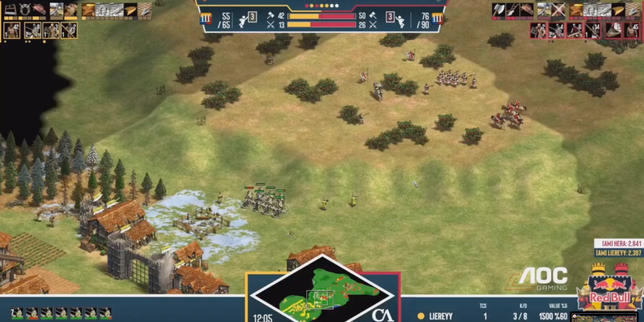
Words and expressions that have almost entered common parlance originate from the world of video games. This article presents a small lexicon to help readers gain "+1000 aura." The term "PNJ" (Personnage Non-Joueur), translated as Non-Player Character (NPC), refers to characters in a game controlled by the computer rather than a human player. These characters are often perceived as lacking agency or independent thought, leading to the term being used metaphorically in real life to describe individuals who seem to passively follow trends or lack critical thinking. Another term, "lore," refers to the accumulated knowledge, backstory, and mythology of a fictional universe, particularly prevalent in video games and fantasy settings. It encompasses the history, characters, and events that shape the game's world. The article suggests that understanding these terms can enhance one's appreciation and participation in discussions related to gaming culture. It aims to demystify some of the jargon, making it more accessible to a wider audience. The intention is to bridge the gap between gaming communities and the general public by highlighting the linguistic influence of video games.
The increasing integration of video game terminology into everyday language reflects a broader cultural shift, where digital entertainment platforms are becoming significant sources of shared vocabulary and conceptual frameworks. This phenomenon highlights the growing influence of interactive media on societal discourse and cognitive patterns. Understanding the evolution of terms like 'NPC' and 'lore' provides insight into how virtual worlds are shaping real-world perceptions and communication. As AI continues to advance, the lines between simulated and actual experience may further blur, making such linguistic bridges increasingly relevant for navigating complex information environments and social dynamics.
AI-generated to prompt reflection — not editorial opinion, not advice, not a statement of fact. How this works.