From Office Boy to Director: A 76-Year Career at a Brazilian Company
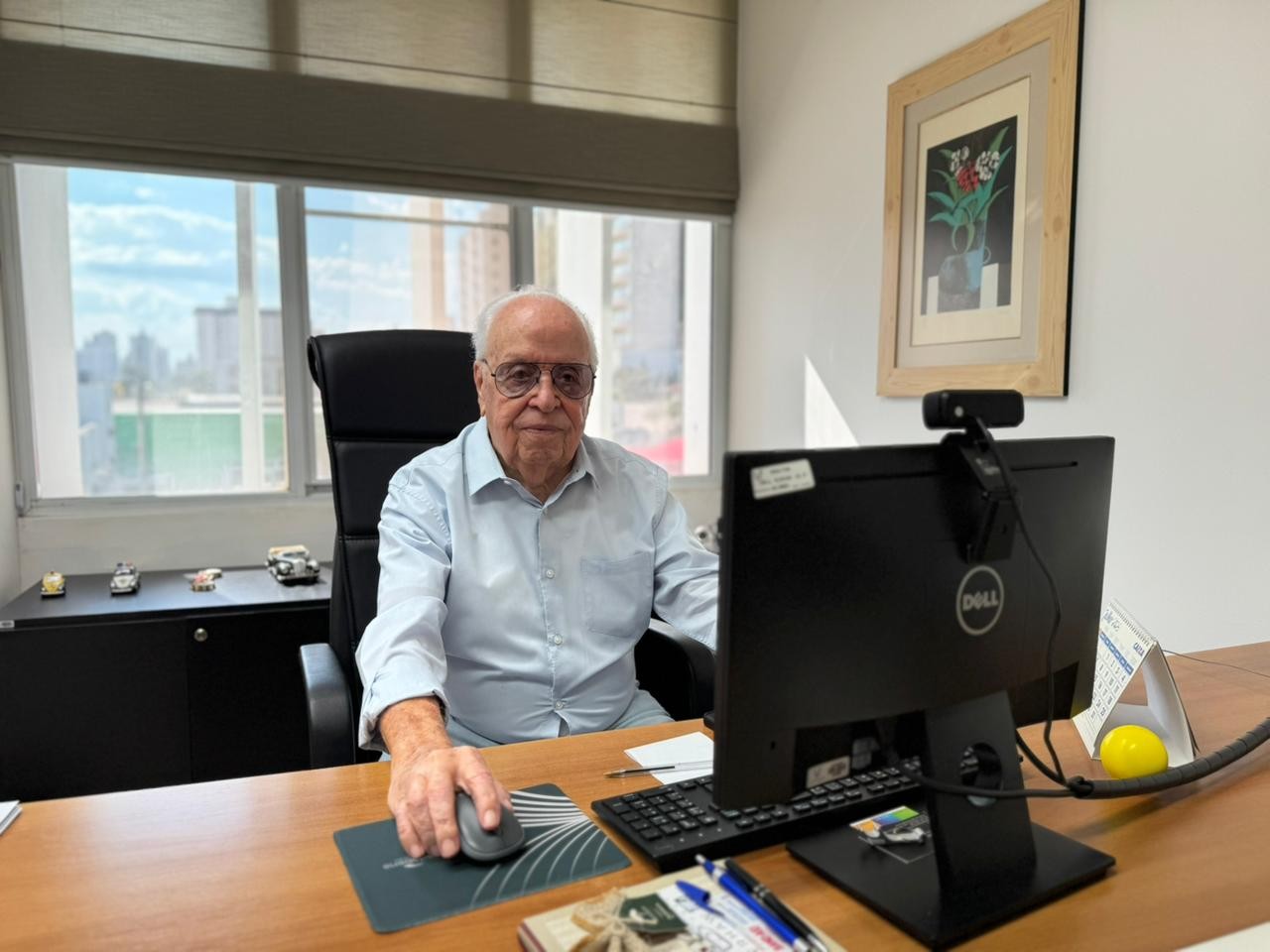
Dorival Dutra da Silva, aged 96, is celebrating an extraordinary 76-year career with a company in São José do Rio Preto, São Paulo, Brazil. He began his employment in April 1950, just months after the company was founded, and has remained with the same organization ever since. Initially hired as an office boy at age 20 due to family financial difficulties, Dutra's early career reflected the informal hiring practices of the time, relying on trust and personal connections rather than structured selection processes. He worked under formal employment (CLT) from 1950 until his retirement in 1996. During this period, he progressed through various roles, including administrative staff, parts counter supervisor in the automotive sector, and eventually manager of that department. In 1967, he was promoted to commercial director, overseeing a dealership for trucks, buses, and vans until 1995. After dedicating 45 years to the vehicle segment, he transitioned to roles as director and legal representative, positions he still holds today. Although he retired from formal CLT employment, he now serves in a statutory capacity, continuing to work two days a week, on Tuesdays and Thursdays. Dutra expresses that he feels respected and cherished at the company, considering it like family. The company, Rodobens, has grown significantly over the decades, now employing 3,000 people and recognized as a great place to work. Thiago Tagliaferro, director of people, technology, and services at Rodobens, noted that Dutra's contributions were vital to the development of their truck dealership network, particularly in the interior of São Paulo, and that he embodies the company's culture and work ethic.
This narrative highlights an exceptional individual's long-term dedication and career progression within a single organization. It illustrates a historical employment model where loyalty and gradual advancement were common, contrasting with today's more fluid job markets. The story also implicitly touches upon corporate culture and employee retention, showcasing how an individual can become deeply integrated with a company's growth and identity over many decades. From a systemic perspective, such long tenures can represent both deep institutional knowledge and potential challenges in adapting to rapid technological and market shifts. The analysis suggests that while individual commitment is valuable, the sustainability of such long-term roles in evolving industries warrants consideration of continuous skill development and succession planning.
AI-generated to prompt reflection — not editorial opinion, not advice, not a statement of fact. How this works.