From Oil Industry to Saffron Farming: A Family Tradition Revived in Patagonia
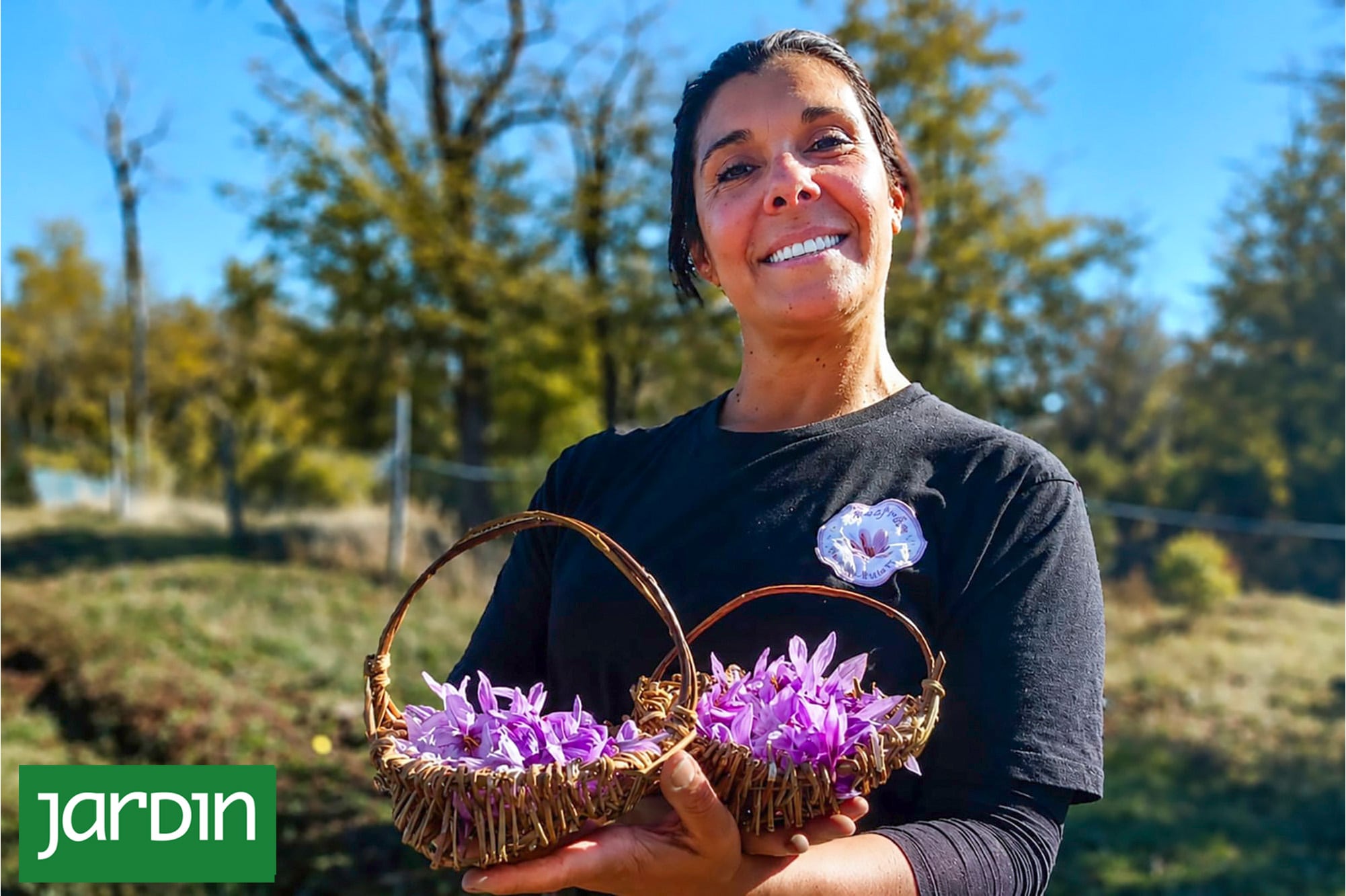
A man has transitioned from the corporate oil industry to revive a family tradition of saffron cultivation in Chubut, Patagonia. Inspired by his Spanish grandfather, who also grew the valuable spice, he left his previous career to establish an agro-tourism project. The saffron, often referred to as "red gold," is now a central feature of his venture. This shift represents a significant change in lifestyle, moving from a corporate environment to a rural setting focused on agriculture and tourism. The project aims to showcase the unique agricultural potential of the southern region, highlighting saffron as a key product. His endeavor connects him to his heritage while creating a new economic and cultural initiative in Patagonia.
This transition from a conventional industry like oil to a niche agricultural product like saffron highlights evolving economic priorities and the allure of heritage-driven enterprises. The integration of agro-tourism suggests a strategy to diversify revenue streams and capitalize on experiential consumer trends. Such ventures, while potentially rewarding, face challenges in market establishment and scaling, particularly in remote locations. The long-term viability will likely depend on consistent quality, effective branding, and adaptation to climate and market dynamics, reflecting broader shifts towards sustainable and specialized agriculture in the face of global economic uncertainties.
AI-generated to prompt reflection — not editorial opinion, not advice, not a statement of fact. How this works.