From Photography to Doll Art: Brazilian Woman Finds New Profession Restoring Dolls
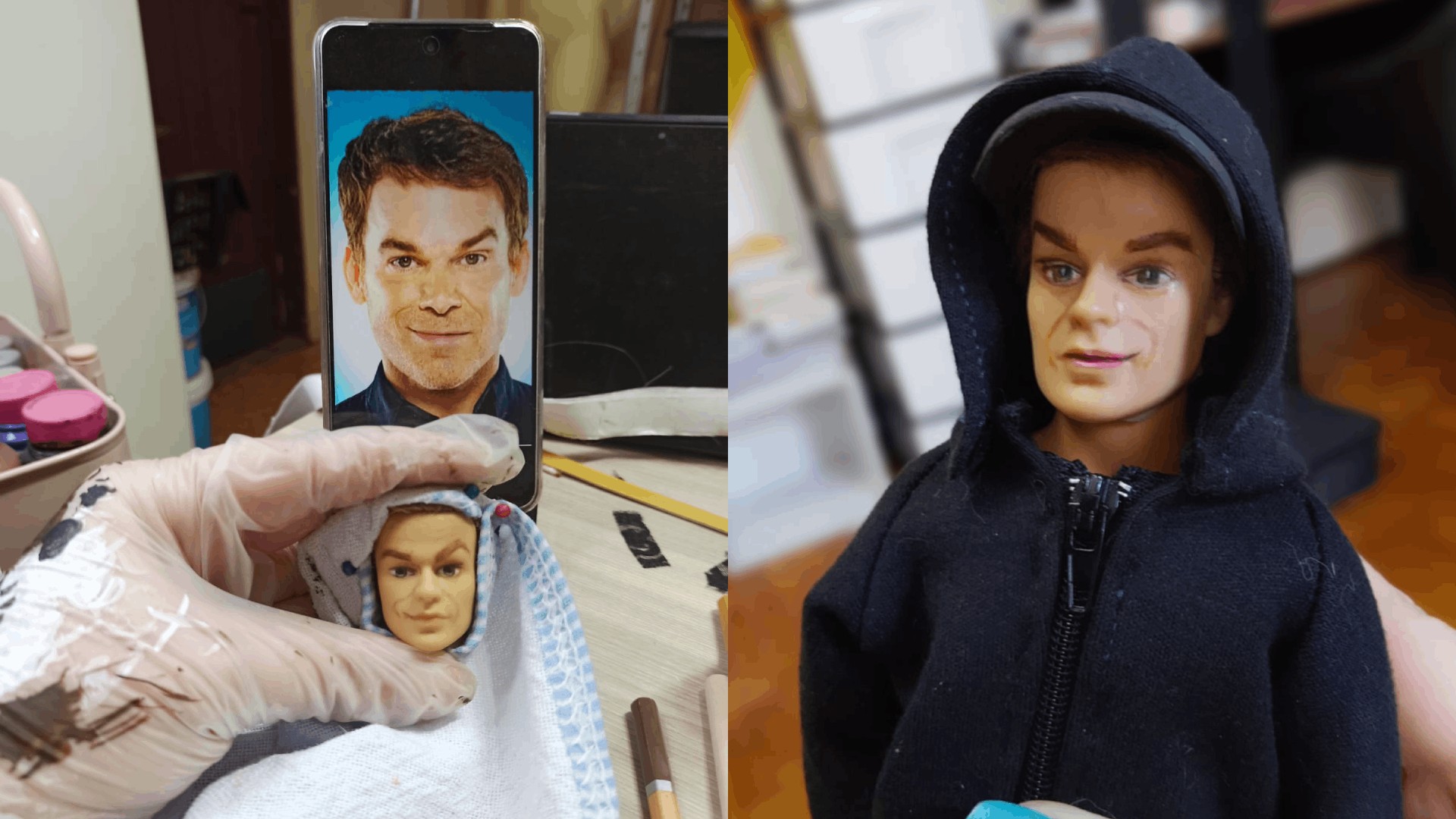
Carol Mendonça, a 40-year-old resident of Barra Bonita, São Paulo, has transitioned from a five-year career in photography to become a "Doll Artist," specializing in the restoration and customization of artisan dolls. This career change was inspired by a personal gift in October 2024, aimed at her "inner child." Mendonça, who had previously studied Agronomy, Letters, and Radiology, found professional fulfillment in photography before discovering her passion for doll artistry. Her journey began when she decided to customize a doll as a gift for her veterinarian after finding store-bought options too expensive. This initial project led her to purchase used dolls as scrap, which she then restored and personalized, realizing the potential for a new business. She now sells her creations online, with prices ranging from R$ 350 to R$ 1,200. Mendonça leverages her past experiences, including courses in fashion, hair, and makeup from her photography career, to enhance her doll artistry. Techniques like "rerooting" (hair re-implantation), facial repainting, and custom clothing creation are integral to her work. A single personalized doll can take approximately 15 hours to complete, excluding research time. Previously, she restored and sold 20 to 25 dolls monthly for up to R$ 350. Her current focus is on more personalized, commissioned pieces based on real people or specific projects, which command higher prices between R$ 800 and R$ 1,200. Mendonça has successfully sold dolls to adult collectors across 18 Brazilian states and aims to expand into the international market within the next year, building on connections with artists globally.
This narrative highlights an individual's successful career pivot, driven by personal interest and market opportunity. The transition from photography to doll artistry demonstrates the increasing viability of niche creative professions, facilitated by online platforms and a growing market for personalized, artisanal goods. Mendonça's ability to integrate diverse skill sets—photography, fashion, makeup, and even theater concepts—into her doll creation process illustrates the value of interdisciplinary expertise in modern entrepreneurship. The expansion into international markets signals a broader trend of Brazilian artisans reaching global audiences, underscoring the potential for cultural products to transcend geographical boundaries. This case also reflects a societal shift towards valuing unique, handcrafted items as expressions of personal identity and nostalgia, offering a counterpoint to mass-produced consumer goods.
AI-generated to prompt reflection — not editorial opinion, not advice, not a statement of fact. How this works.