From Professors to Franchise Owners: The Sweet and Savory Mango Business
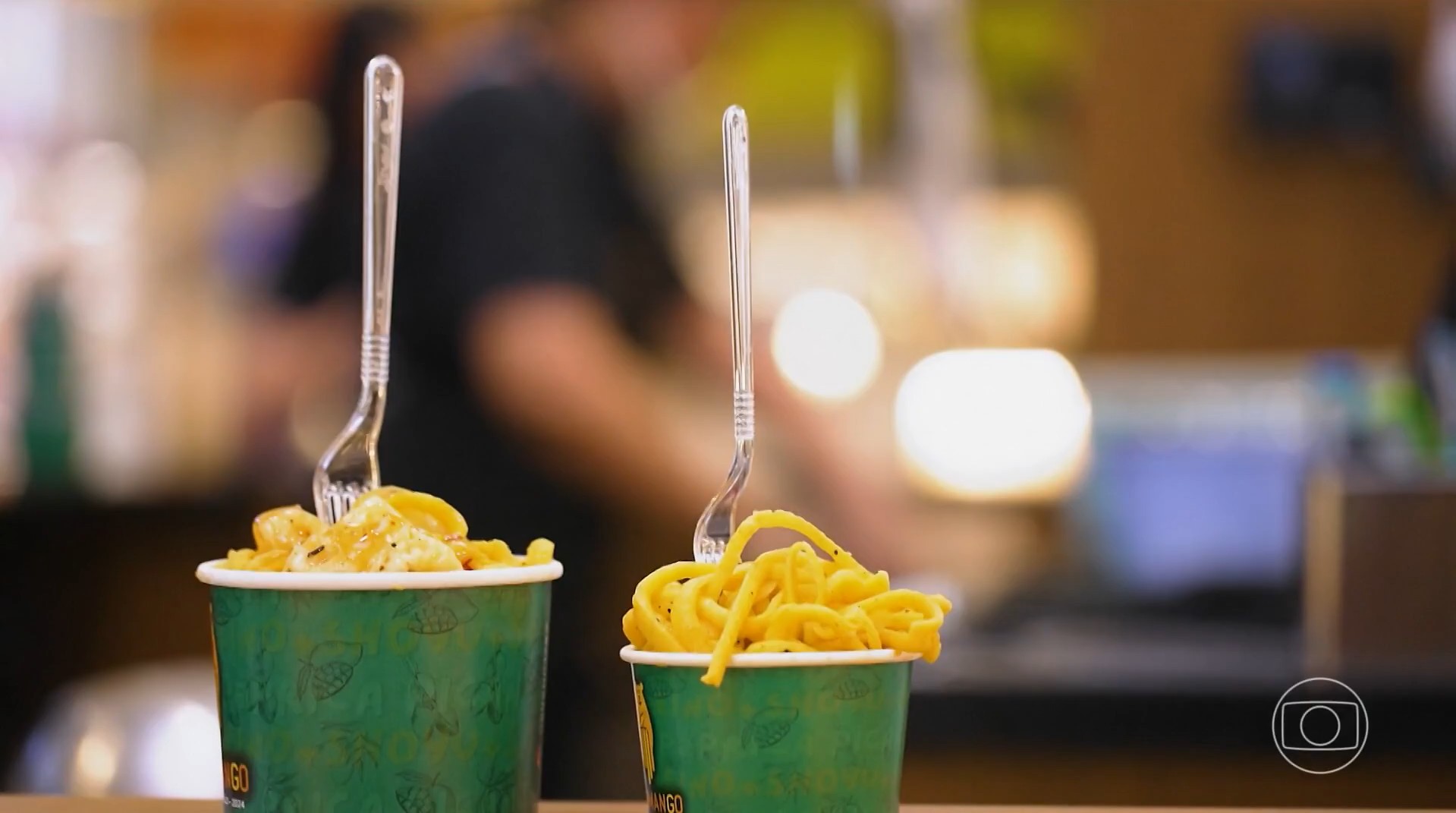
Three professors in Goiânia, Brazil, have transformed a simple idea into a thriving business selling sliced mangoes with various seasonings. Inspired by a similar international concept, they initially considered other ventures before settling on the practical and nostalgic appeal of seasoned mangoes. Their initial investment of R$ 65,000 led to the opening of their first kiosk in a Goiânia shopping mall, strategically chosen for its high foot traffic and impulse-buying potential.
The business model focuses on offering a convenient and novel way to enjoy a common fruit. Customers can purchase pre-sliced mangoes in cups and choose from a variety of seasonings, including lemon, salt, honey, and peppers. The menu has since expanded to include other fruits like pineapple, further diversifying consumer options. A unique aspect of their success has been the organic marketing generated by customers consuming the product while walking through the mall, sparking curiosity and attracting new patrons.
This growth has fueled an expansion through franchising, with the brand now operating three units in Belo Horizonte and one in São Bernardo do Campo. The investment for a franchise ranges from R$ 120,000 to R$ 230,000, with each franchised unit reportedly generating R$ 60,000 to R$ 70,000 in monthly revenue. The company, Balumango LTDA, aims to expand its national presence, enhance marketing efforts, and develop new products, attributing its success to the Brazilian public's affinity for mangoes, the founders' dedication, and a commitment to innovation.
This case study illustrates how a familiar, low-cost agricultural product can be repositioned through innovative packaging and flavor profiles to capture significant consumer spending. The founders leveraged a combination of convenience, sensory appeal, and cultural resonance to create a scalable business model. The strategic choice of high-traffic retail locations and the organic word-of-mouth marketing generated by the product's portability highlight effective go-to-market strategies. The transition from a direct-to-consumer model to a franchise system demonstrates a mature growth phase, requiring robust operational standards and brand management to maintain consistency across diverse locations. Future success will likely depend on the company's ability to adapt to evolving consumer tastes, manage supply chain complexities for fresh fruit, and differentiate itself in an increasingly competitive snack market, particularly as AI-driven consumer insights become more accessible.
AI-generated to prompt reflection — not editorial opinion, not advice, not a statement of fact. How this works.