From Reading DNA to Writing It: A New Era of Genetic Control
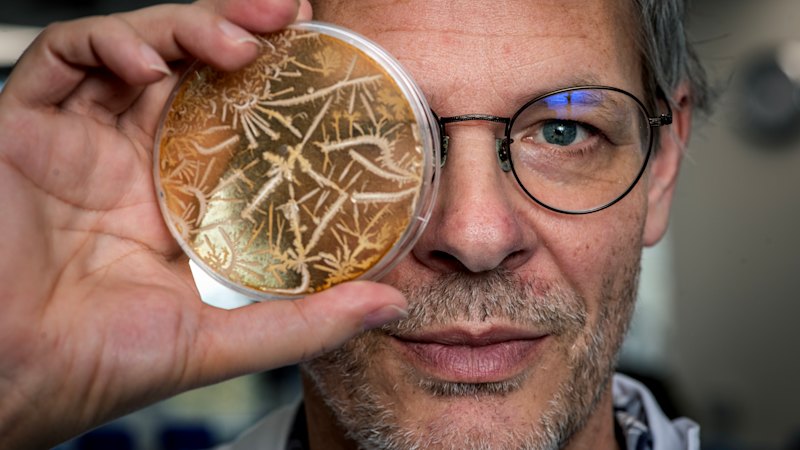
For billions of years, the blueprint of life, DNA, evolved through random mutations. A recent scientific breakthrough has now placed the control over these genetic changes firmly in human hands. This marks a significant shift from merely reading and understanding DNA to actively editing and, now, learning to write it. This advancement signifies a new era where humanity can potentially direct the course of biological evolution. The ability to write DNA opens up unprecedented possibilities in fields ranging from medicine to agriculture. It allows for the precise design of genetic sequences to achieve specific outcomes. This capability could lead to the development of novel therapies for genetic diseases and the creation of more resilient crops. The implications of this technological leap are profound and far-reaching. It raises ethical considerations alongside the scientific potential. As we gain the power to write life's code, careful consideration of its application becomes paramount.
The transition from observing and editing DNA to actively writing it represents a profound shift in humanity's relationship with biology. This capability, while offering immense potential for medical advancements and agricultural innovation, necessitates robust ethical frameworks and governance structures. The power to engineer life's fundamental code introduces complex questions about unintended consequences, equitable access to these technologies, and the long-term impact on biodiversity and human evolution. Navigating this new frontier requires a balanced approach, fostering innovation while prioritizing safety, fairness, and a deep understanding of the systems being manipulated.
AI-generated to prompt reflection — not editorial opinion, not advice, not a statement of fact. How this works.