From 'Reiwa Rice Riots' to 'Unfilial Market': Niigata's Rice Industry Faces Uncertainty
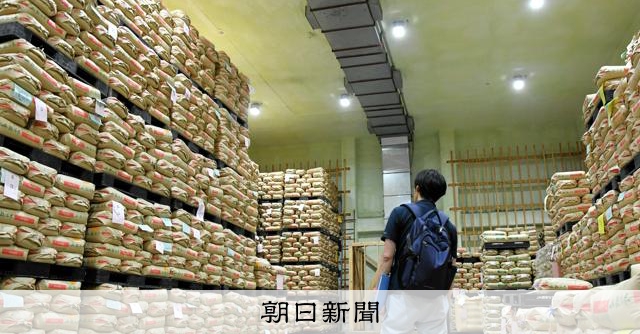
Following the "Reiwa Rice Riots" of recent years, the rice market in Niigata, a prominent rice-producing region in Japan, is facing a new period of volatility, dubbed the "unfilial market." This shift suggests a departure from the previous issues that plagued the rice industry. The term "unfilial market" implies a market that is not behaving as expected or is perhaps detrimental to the traditional producers or consumers. Niigata, known for its high-quality rice, is at the forefront of these market fluctuations. The situation indicates a complex interplay of factors affecting rice production and pricing in Japan. The agricultural sector in this key region is experiencing significant unease as it navigates these changing market dynamics. Further details on the specific causes and implications of this "unfilial market" are anticipated as the situation develops. The agricultural landscape in Japan is sensitive to such shifts, especially in staple crops like rice.
The shift from a "Reiwa Rice Riots" narrative to an "unfilial market" in Niigata signals a potential evolution in the challenges facing Japan's rice sector. This transition suggests that the issues may be moving beyond immediate supply disruptions or price controls towards more complex market imbalances or structural inefficiencies. The "unfilial market" moniker could reflect a disconnect between production costs, consumer demand, and perhaps the influence of broader economic trends or trade policies. Understanding the underlying incentives driving this new market behavior will be crucial for policymakers and producers. Future strategies will likely need to address not just immediate price volatility but also long-term sustainability, potentially through diversification, technological adoption, or revised agricultural support systems, to ensure the resilience of this vital industry in the coming decade.
AI-generated to prompt reflection — not editorial opinion, not advice, not a statement of fact. How this works.