From Rural Farm to Russian Stages: Bolshoi Visit Ignites Dancer's Global Career
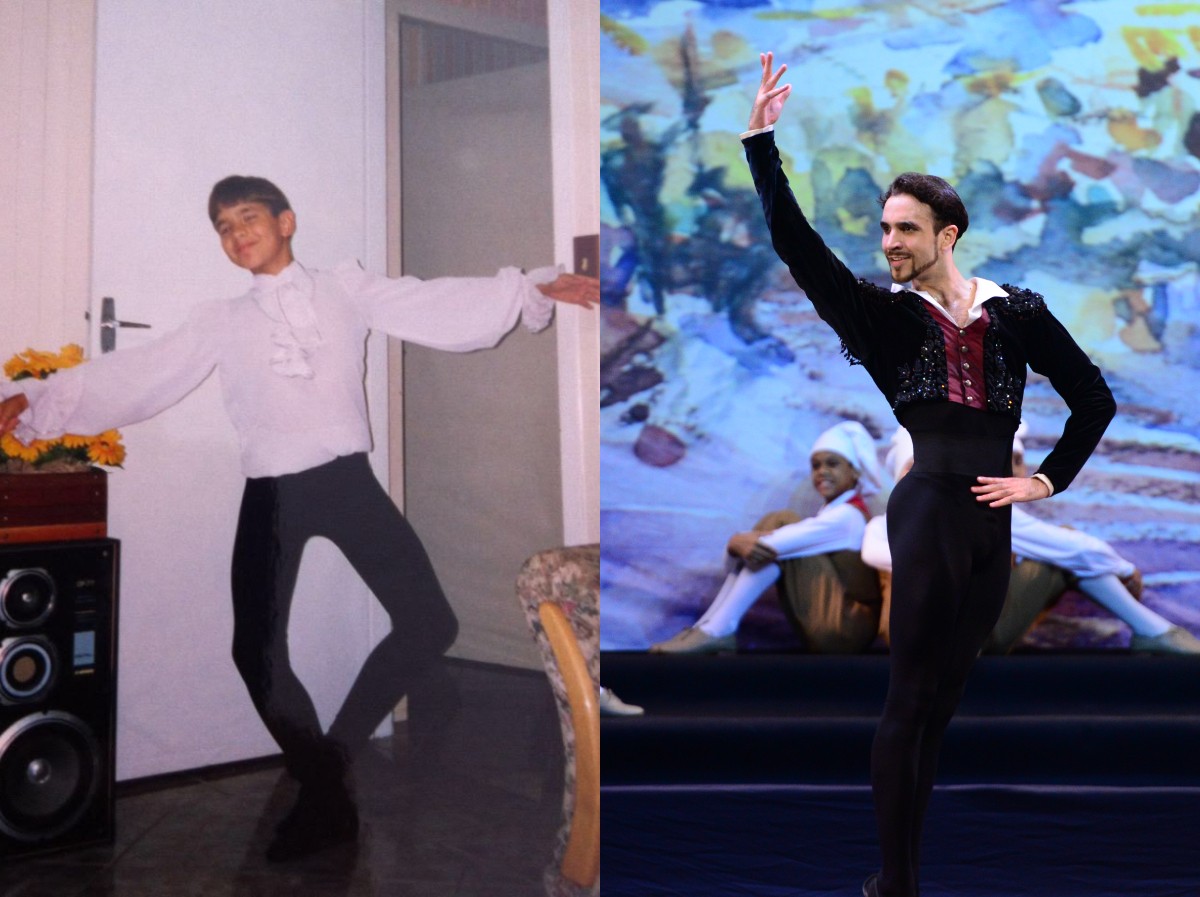
Dancer Erick Swolkin, 35, has achieved international acclaim after a pivotal visit from the Bolshoi Theatre to his rural school in Joinville, Santa Catarina, Brazil, when he was nine years old. Swolkin, who grew up accustomed to farm life, riding horses and playing in pastures, had no prior exposure to classical ballet. The Bolshoi's outreach program to municipal schools sparked his interest, leading him to audition and eventually enroll in the School of the Bolshoi Theatre in Brazil, the only international branch of Moscow's renowned company, founded in Joinville in 2000. His family's support was crucial; his father encouraged him to pursue ballet, and his mother was inspired by the school's mission. Initially uncertain about a professional path, Swolkin found his calling in his fifth year of study after seeing the ballet 'Spartacus.' He joined the Bolshoi Brazil Youth Company for three years before auditioning for the Bolshoi Theatre in Russia in 2011. For a decade, from 2012 to 2022, he performed as a principal dancer with the company in Russia. Currently, Swolkin is a member of the Staatsballett in Berlin, Germany. The School of the Bolshoi in Joinville has been instrumental in his journey, opening doors to global opportunities and a successful career in dance. Over 26 years, the school has trained over 500 dancers, with 73% pursuing professional careers in 29 countries across five continents. Swolkin was among more than 120 alumni who reunited at the 43rd Joinville Dance Festival, an event celebrating the school's impact and the broader dance community.
The trajectory of Erick Swolkin highlights the profound impact of arts education outreach programs in identifying and nurturing talent from diverse socioeconomic backgrounds. The School of the Bolshoi Theatre in Joinville serves as a critical access point, demonstrating how specialized institutions can democratize opportunities in elite fields. This case underscores the importance of systemic investment in arts education, particularly in regions where exposure to such disciplines is limited. Future considerations for similar initiatives should focus on sustainable funding models and scalable pedagogical approaches to ensure continued access and development for aspiring artists globally. The success of such programs can be measured not only by individual achievement but also by their contribution to cultural enrichment and the diversification of artistic expression.
AI-generated to prompt reflection — not editorial opinion, not advice, not a statement of fact. How this works.