From Video Game to Hollywood Blockbuster: Inside the Making of Fallout
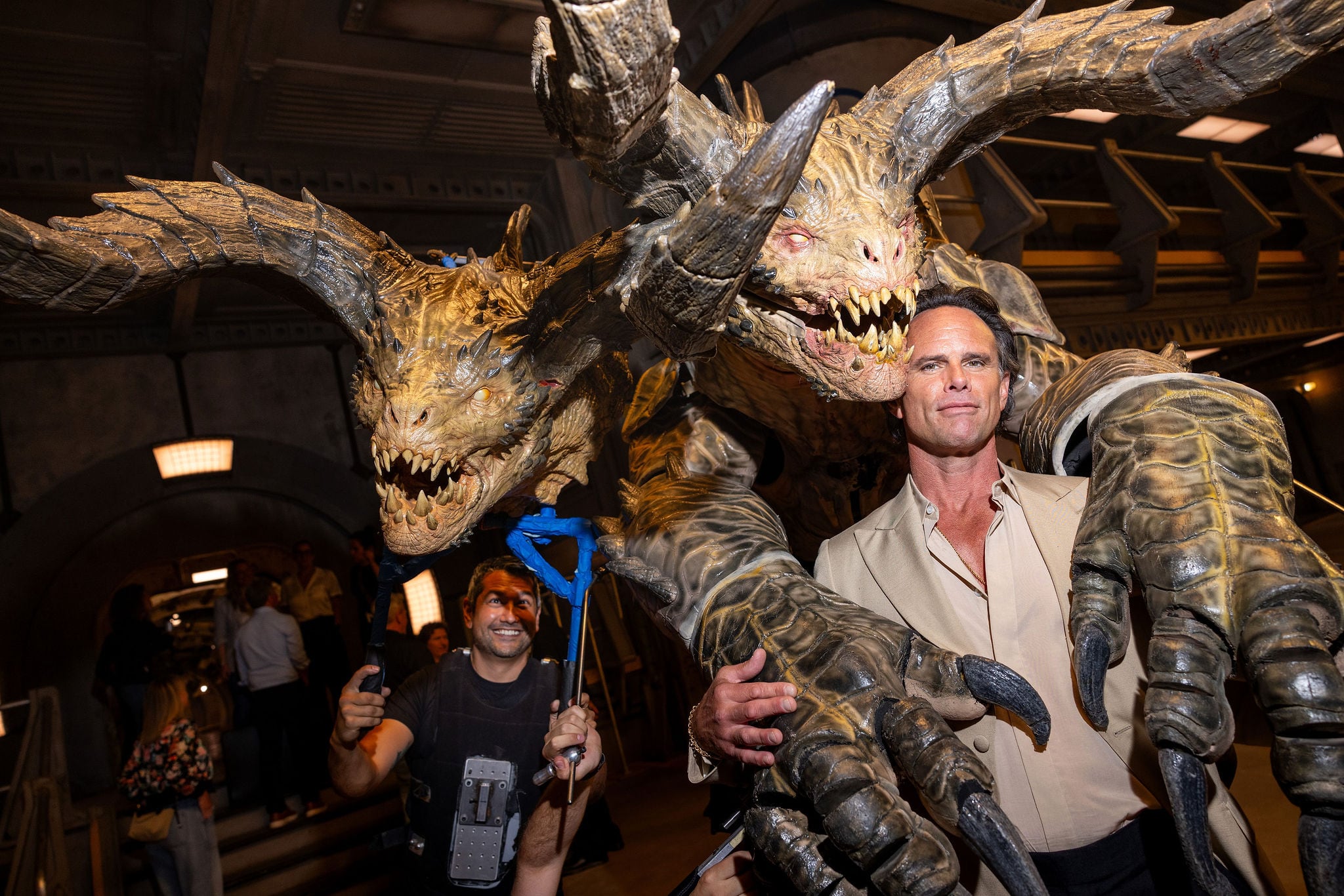
The ambitious 'Fallout' television series, based on the popular video game franchise, is currently filming on a massive set located north of Los Angeles. The production is striving for an unparalleled level of realism in its meticulously crafted sets, costumes, and even its fantastical monsters. This Hollywood adaptation aims to translate the unique post-apocalyptic world of 'Fallout' into a tangible, visually stunning cinematic experience. The creators are focusing on recreating the game's distinct aesthetic, which blends retro-futurism with a stark, desolate landscape. Every detail, from the weathered props to the intricate designs of the mutated creatures, is being carefully considered to immerse viewers in the game's universe. This significant investment in production value suggests a strong commitment to honoring the source material while delivering a high-quality entertainment product. The scale of the operation underscores the growing trend of major video game IPs being adapted into large-scale television productions.
The adaptation of 'Fallout' into a major Hollywood production highlights a significant trend in the entertainment industry: leveraging established intellectual property from video games to capture existing fan bases and attract new audiences. The emphasis on realism in sets, costumes, and creature design suggests a strategic approach to bridging the gap between interactive virtual worlds and passive viewing experiences. This endeavor faces the challenge of satisfying both dedicated gamers, who have specific expectations, and general audiences unfamiliar with the source material. The success of such adaptations often hinges on balancing fidelity to the original narrative and aesthetic with the demands of mainstream storytelling and visual spectacle. Future productions in this vein will likely continue to explore innovative techniques to translate complex game mechanics and lore into compelling episodic narratives, potentially reshaping the landscape of transmedia storytelling.
AI-generated to prompt reflection — not editorial opinion, not advice, not a statement of fact. How this works.