Frost blankets Campos do Jordão for second consecutive day during holiday weekend
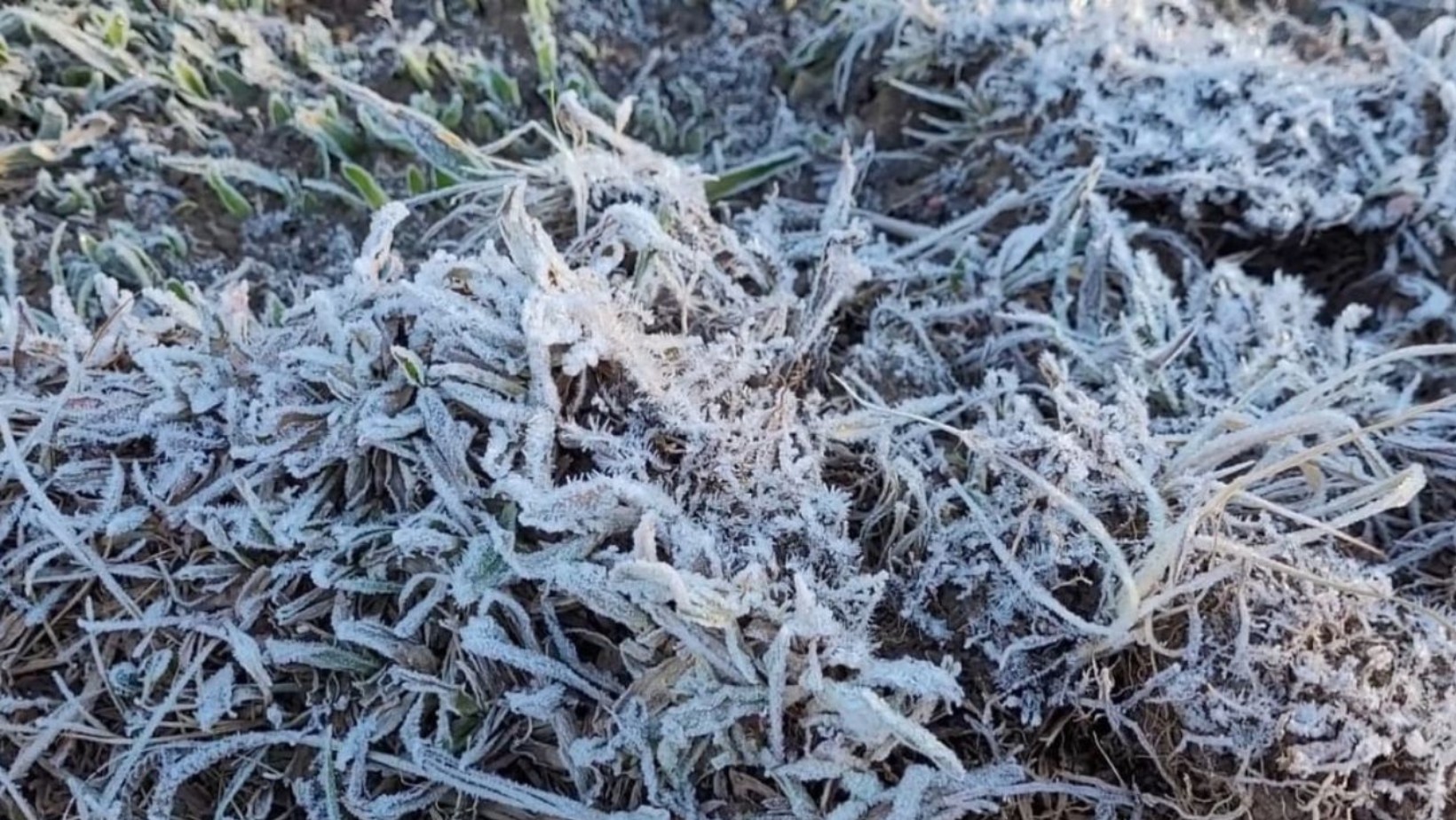
Campos do Jordão, in the state of São Paulo, experienced frost for the second consecutive day on Friday, May 10th, during a long holiday weekend. The minimum temperature recorded was 4.5°C at 4 AM, leaving the city's lawns covered in a thin layer of ice, a characteristic winter scene in the Mantiqueira Mountains. Images captured the frost on vegetation in the early morning hours before it began to melt with the sunrise. The previous day, Thursday, May 9th, also saw frost after temperatures dropped to 3.9°C, according to the National Institute of Meteorology (Inmet). The cold weather coincides with a period of high tourist activity, with the city expecting around 150,000 visitors seeking the season's low temperatures. In addition to the cold, Inmet issued an alert for low relative humidity in the region, with levels expected to range between 20% and 30% on Friday, a range considered concerning as the World Health Organization recommends above 60% for optimal health. The cold is forecast to persist through the weekend, with Saturday morning expected to see minimum temperatures around 4°C, maintaining the possibility of further frost formation in the Mantiqueira Mountains.
The recurring frost in Campos do Jordão during a peak tourist holiday highlights the interplay between natural climate phenomena and economic activity. While a picturesque scene for visitors, the persistent cold and low humidity underscore public health considerations, particularly concerning respiratory well-being. From a systemic perspective, the event prompts reflection on how tourism infrastructure and local economies adapt to predictable seasonal weather patterns. Future planning might involve leveraging such predictable events for sustainable tourism promotion while ensuring adequate public health advisories and resource management to mitigate potential negative impacts on residents and visitors alike, especially in the context of evolving climate trends.
AI-generated to prompt reflection — not editorial opinion, not advice, not a statement of fact. How this works.