Fruits That Can Help Supplement Protein Intake
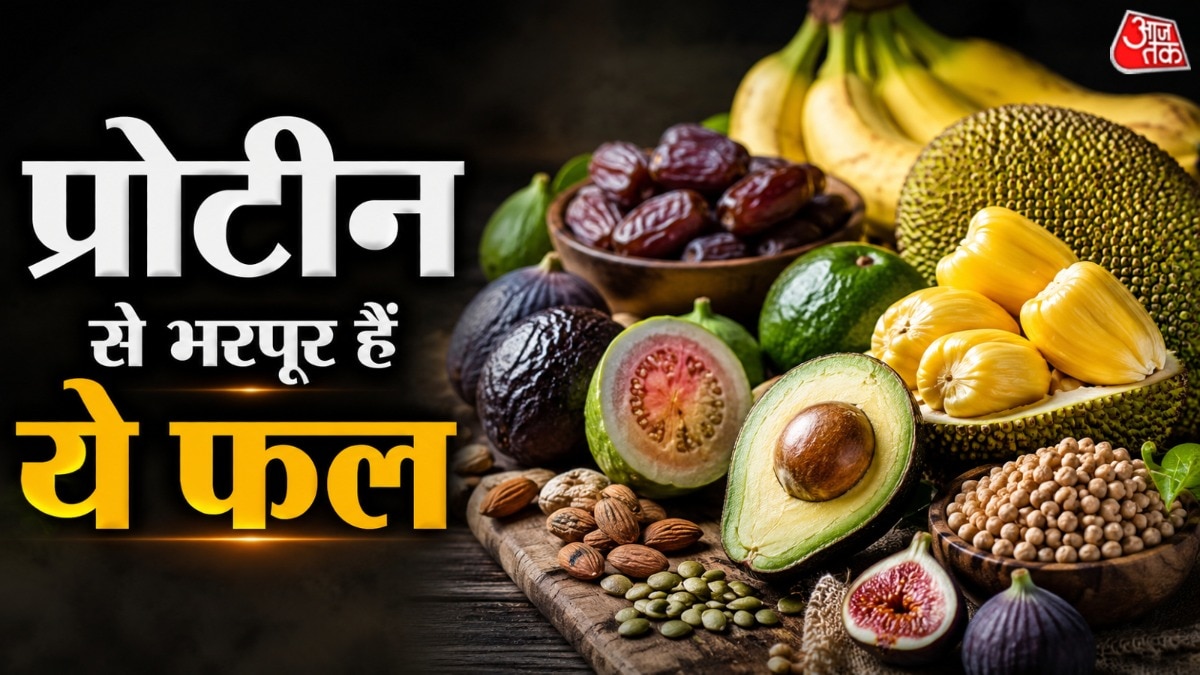
Protein intake is not solely dependent on sources like lentils and eggs. Incorporating certain fruits into one's diet can also contribute to fulfilling protein requirements. This article explores specific fruits that can be beneficial for addressing protein deficiencies. By adding these fruits, individuals can diversify their protein sources and potentially improve their overall nutritional intake. The focus is on making dietary choices that are both accessible and effective in meeting daily protein needs. This approach emphasizes a holistic view of nutrition, where even fruits play a role in protein supplementation. Understanding these options can empower individuals to make more informed decisions about their diet. The aim is to provide practical advice for those looking to enhance their protein consumption through natural food sources.
This information highlights a common nutritional misconception, suggesting that fruits can significantly supplement protein intake. While fruits do contain trace amounts of protein, their primary nutritional contribution lies in vitamins, minerals, fiber, and carbohydrates. Relying on fruits as a substantial source of protein is unlikely to meet daily requirements for most individuals. A balanced diet typically necessitates dedicated protein sources such as legumes, dairy, eggs, or lean meats. This perspective may inadvertently lead to underconsumption of essential protein if individuals substitute or overemphasize fruit intake for protein needs. Future dietary guidance should emphasize the distinct roles of different food groups to ensure comprehensive nutrient acquisition.
AI-generated to prompt reflection — not editorial opinion, not advice, not a statement of fact. How this works.