FTC Scrutinizes "Made in USA" Claims, Highlighting Labeling Requirements
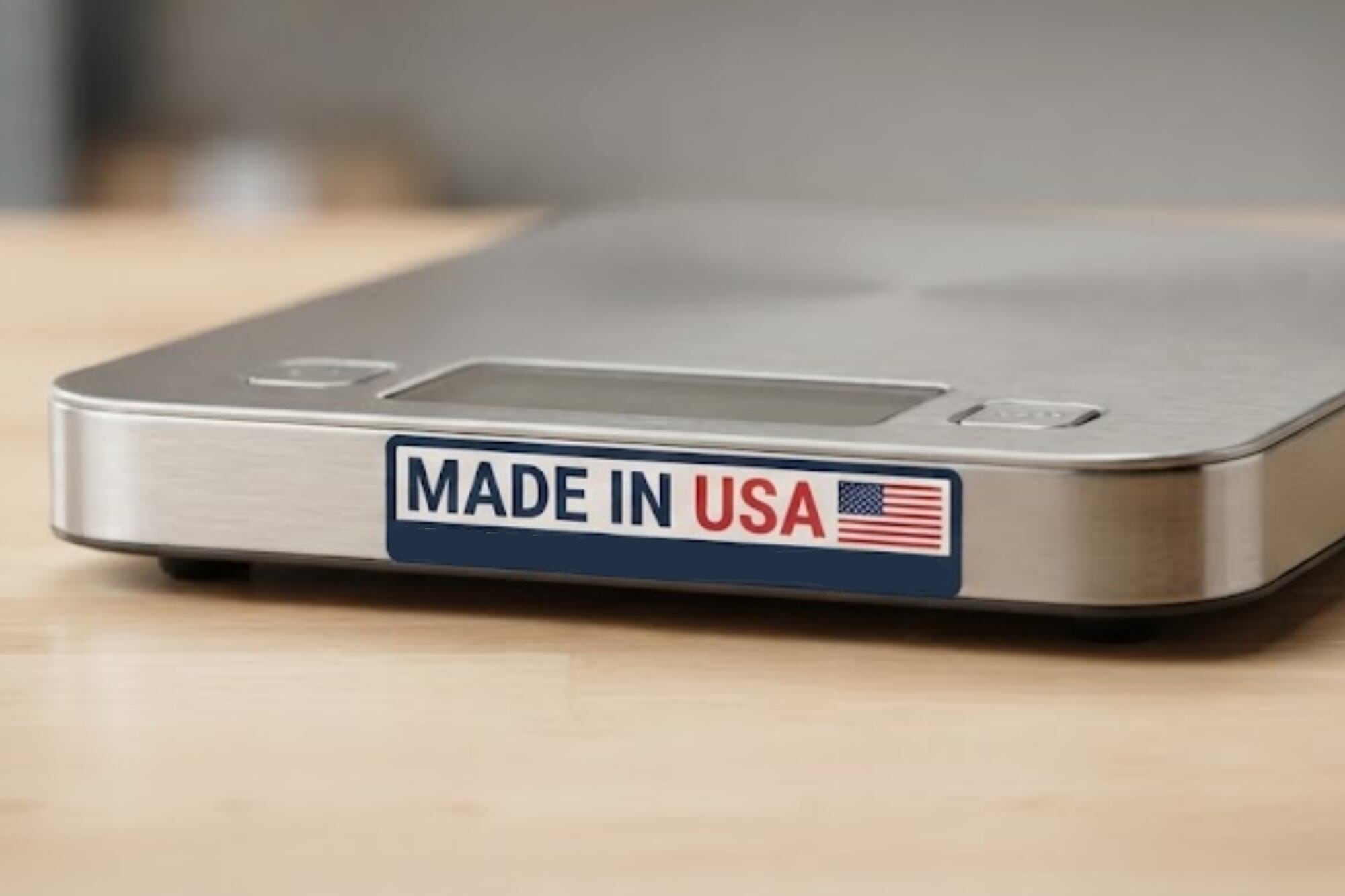
The Federal Trade Commission (FTC) is questioning the "Made in USA" labels of several companies, aiming to prevent commercial fraud and ensure accurate product origin claims. The FTC has established specific requirements that must be met for a product to legitimately bear the "Made in USA" designation. These regulations are designed to protect consumers from misleading marketing practices and to uphold the integrity of domestic manufacturing claims. Companies seeking to use this label must demonstrate that all or virtually all significant parts and processing of the product are of U.S. origin. The FTC's review underscores the importance of transparency in product labeling and the potential penalties for non-compliance. This initiative seeks to clarify what "Made in USA" truly signifies to consumers and to hold businesses accountable for their labeling practices.
The FTC's renewed focus on "Made in USA" labeling addresses a persistent challenge in globalized supply chains where "all or virtually all" U.S. content is difficult to verify. This initiative aims to restore consumer trust and provide a competitive advantage for genuinely domestic manufacturers. However, the complexity of modern manufacturing, involving intricate international sourcing and assembly, means that strict enforcement could inadvertently penalize companies with complex, yet predominantly U.S.-based, operations. The long-term implication may involve a re-evaluation of labeling standards to accommodate nuanced global production realities while still safeguarding against deceptive practices, potentially influencing international trade agreements and domestic industrial policy.
AI-generated to prompt reflection — not editorial opinion, not advice, not a statement of fact. How this works.