Fuel Crisis Deepens: Drivers Spend Nights in Cars Awaiting Gas
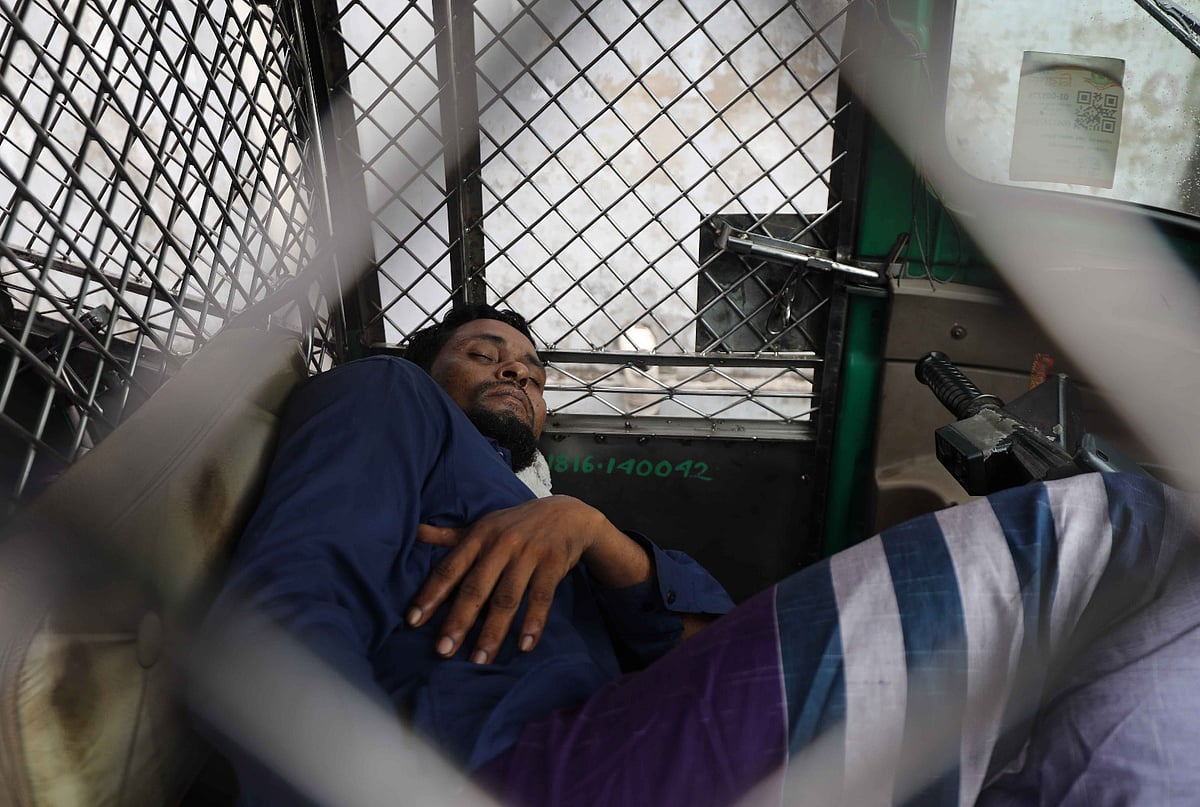
Residents in Afghanistan are facing severe hardship due to a prolonged fuel crisis, with many drivers forced to spend the night in their vehicles at gas stations. The extended waiting times are significantly impacting work hours and reducing income for individuals. Some people are resorting to resting by the roadside as they wait for hours to obtain fuel. The situation highlights a critical shortage of gasoline, causing widespread disruption and economic strain. The lack of accessible fuel is preventing people from carrying out their daily activities and earning a livelihood. Many are expressing frustration and exhaustion from the prolonged periods spent queuing. The government has yet to provide a clear resolution to the ongoing fuel scarcity. This crisis is affecting transportation and the availability of essential goods across the country. The long waits are not only a financial burden but also a significant drain on personal time and well-being.
The persistent fuel shortage in Afghanistan points to significant logistical and supply chain challenges within the nation's energy infrastructure. This situation likely stems from a combination of factors, potentially including import disruptions, internal distribution inefficiencies, or foreign exchange constraints impacting the ability to procure fuel. The economic impact is substantial, as reduced working hours and income directly affect livelihoods, potentially exacerbating poverty and social instability. Addressing this crisis will require a multi-pronged approach, focusing on securing reliable fuel sources, optimizing distribution networks, and potentially exploring alternative energy solutions to build long-term resilience. The government's capacity to manage these complex issues will be a critical determinant of the country's economic recovery and the well-being of its citizens.
AI-generated to prompt reflection — not editorial opinion, not advice, not a statement of fact. How this works.
