Fuel dealer strike impact blunted by internal divisions, most stations remain open
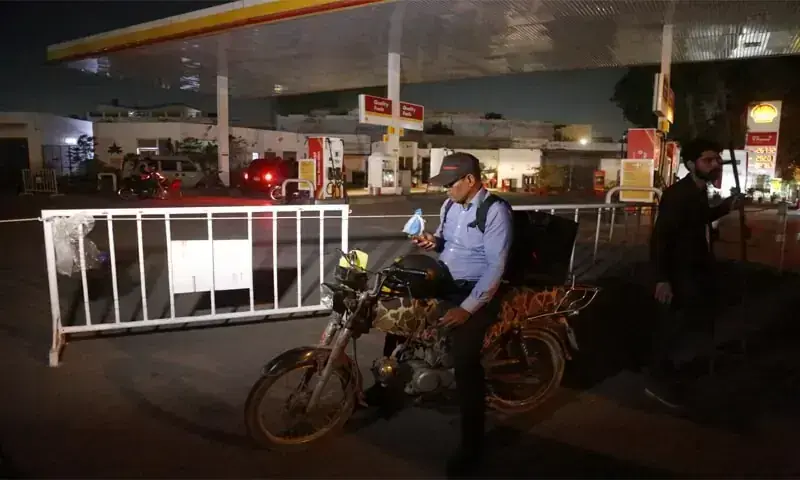
A nationwide strike called by the All Pakistan Petroleum Pump Owners Association (APPPOA) had a limited impact on Thursday, July 23rd, 2026, due to significant divisions within the association. While the APPPOA later announced a 15-day suspension of the strike following government assurances, most petrol stations across Pakistan remained operational. The government reportedly agreed to process a summary for an increased dealers' commission, initially approved in December 2025, within 15 days. Additionally, the authorities committed to reviewing the daily fuel pricing mechanism during the same period. The APPPOA had been demanding an increase in their commission from Rs8.64 to Rs9.98 per litre, a move initially approved by the Economic Coordination Committee but withheld by the federal cabinet pending digitalization of fuel operations. A rival faction within the petroleum dealers' groups had already distanced itself from the strike call, further diminishing its effect. While some closures were reported in Peshawar (around 70% of stations) and rural areas, major cities like Lahore, Faisalabad, and Multan saw most pumps remain open. Some dealers cited agreements with oil marketing companies (OMCs) that obligate them to remain open. Conversely, former association president Zafar Mazari claimed a 90% closure rate from Karachi to Rahim Yar Khan, acknowledging the internal divisions within the association.
The internal discord among petroleum dealers highlights the complexities of industry-wide collective action, particularly when facing regulatory bodies and diverse commercial interests. The government's strategy appears to involve addressing immediate concerns to de-escalate the situation while deferring substantive changes, such as full commission increases and digitalization mandates, to a later date. This approach may create a temporary reprieve but risks future friction if long-term structural issues regarding dealer margins and operational transparency are not comprehensively resolved. The differing perspectives on strike impact, from widespread closure to minimal disruption, underscore the challenges in assessing unified industry sentiment and the potential for fragmented negotiations to weaken collective bargaining power in the evolving energy market.
AI-generated to prompt reflection — not editorial opinion, not advice, not a statement of fact. How this works.