Fuel Depot at Tarigaun Airport Faces Issues Due to Lack of Regular Flights
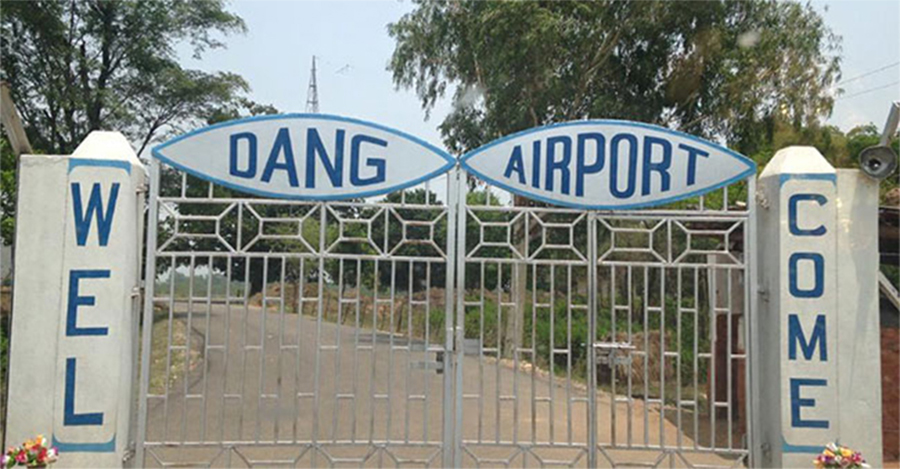
A fuel depot established by the Nepal Oil Corporation at Tarigaun Airport is experiencing operational difficulties. The primary reason for these challenges is the absence of regular flight services at the airport. The depot was set up with the expectation of consistent air traffic, but the lack of scheduled flights has made its operation unsustainable. This situation highlights a potential mismatch between infrastructure development and actual service utilization. The Nepal Oil Corporation may need to re-evaluate the strategic placement and operational model of such depots in areas with infrequent air connectivity. The current state of the depot at Tarigaun Airport raises questions about resource allocation and the long-term viability of facilities dependent on regular flight schedules.
The operational challenges faced by the Nepal Oil Corporation's fuel depot at Tarigaun Airport, stemming from a lack of regular flights, illustrate a common dilemma in infrastructure investment. When facilities are established without guaranteed demand or consistent usage, they risk becoming underutilized assets. This situation prompts consideration of the planning processes involved in such ventures, emphasizing the need for robust market analysis and demand forecasting. Future infrastructure projects, particularly in the aviation sector, could benefit from models that integrate risk-sharing mechanisms or phased development tied to verifiable usage metrics. This approach would help align investment with actual economic activity and ensure the long-term sustainability of public resources.
AI-generated to prompt reflection — not editorial opinion, not advice, not a statement of fact. How this works.