Fuel Price Hikes Affect Consumer Spending on Flights and Other Goods
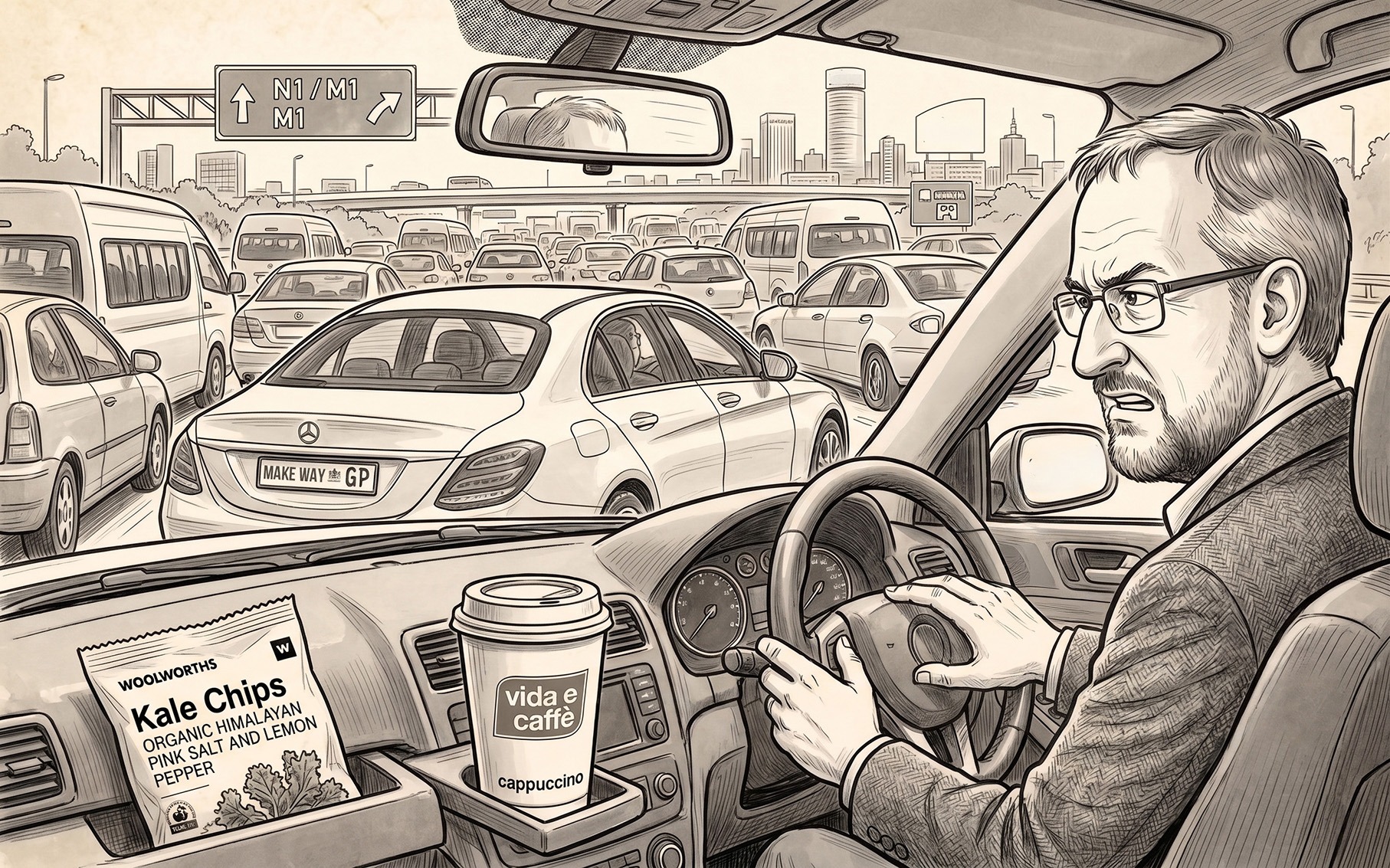
Rising fuel costs are having a noticeable impact on consumer spending habits, affecting everything from air travel demand to the purchase of non-essential items like kale chips. This trend indicates a broader shift in discretionary income allocation as prices for essential commodities increase. The current trajectory suggests that fuel prices are likely to continue their upward trend in the near future. This phenomenon highlights the sensitivity of consumer behavior to economic fluctuations, particularly changes in the cost of energy. As fuel prices climb, consumers are forced to make difficult choices about where to allocate their limited budgets. The demand for flights, often considered a luxury or discretionary expense, is particularly elastic, meaning it changes significantly in response to price variations. This suggests that as fuel costs rise, fewer people may be able to afford air travel, or they may choose to reduce the frequency of their flights. The impact extends beyond travel, influencing purchasing decisions for a wide range of goods and services. Consumers are likely to prioritize essential spending over non-essential items, leading to shifts in market demand across various sectors. The expectation of further price increases underscores the ongoing economic pressure consumers will face.
Escalating fuel prices exert significant pressure on household budgets, forcing a reallocation of discretionary spending. This economic dynamic illustrates the principle of price elasticity, particularly evident in sectors like air travel where demand is highly sensitive to cost fluctuations. As energy prices climb, consumers are compelled to make trade-offs, potentially reducing expenditure on non-essential goods and services to cover rising living costs. This trend may accelerate shifts towards more cost-effective alternatives and influence long-term consumer behavior patterns, potentially reshaping industries reliant on discretionary spending. The systemic challenge lies in balancing economic growth with the affordability of essential resources, a dynamic that will likely intensify in an era of increasing energy transition complexities.
AI-generated to prompt reflection — not editorial opinion, not advice, not a statement of fact. How this works.