Fuel Price Hikes May Be Just the Beginning, Opposition Demands Excise Tax Cuts
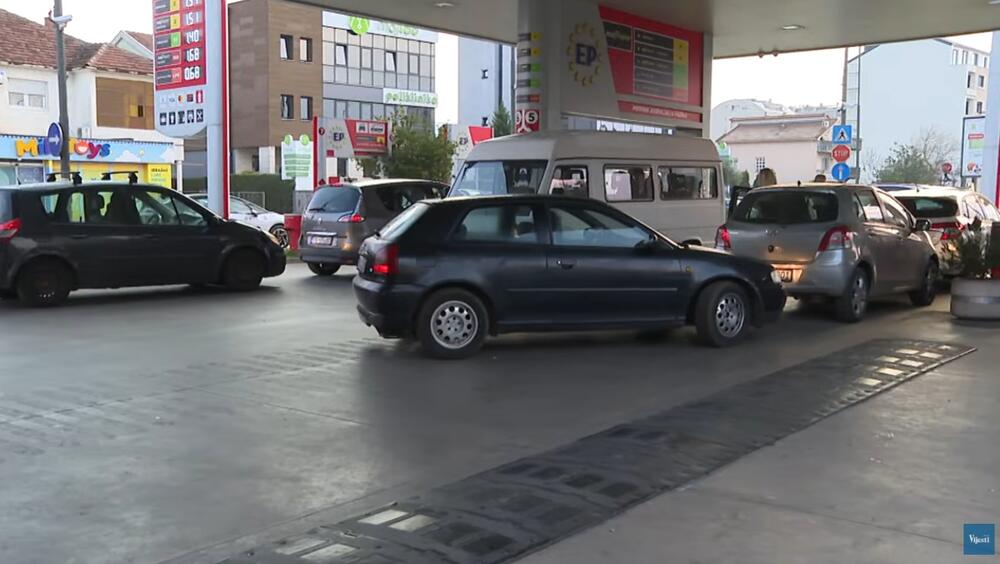
The Serbian government has yet to provide a response regarding potential further increases in fuel prices at the pump. This situation has prompted the opposition to call for immediate excise tax reductions. They argue that such measures are necessary to alleviate the burden on citizens and businesses facing escalating fuel costs. The lack of official comment from the government suggests ongoing internal discussions or a lack of a clear strategy to address the issue. The opposition's demand highlights a growing concern over the economic impact of rising energy prices and their effect on the cost of living and overall economic stability in Serbia. Further developments are anticipated as the public awaits the government's official stance and proposed solutions.
The call for excise tax cuts on fuel in Serbia reflects a common governmental response to inflationary pressures on essential goods. While such reductions can offer immediate relief to consumers, they also represent a direct decrease in state revenue. This creates a fiscal trade-off: balancing short-term public affordability against long-term budgetary needs. Governments must consider the sustainability of such policies, especially in the context of global energy market volatility and potential future spending requirements. Examining alternative revenue streams or subsidy mechanisms that do not directly impact fuel prices could offer a more resilient approach to managing energy costs for citizens in the coming decade.
AI-generated to prompt reflection — not editorial opinion, not advice, not a statement of fact. How this works.