Fuel Prices Remain High Ahead of Summer Holidays, Exceeding Pre-Middle East War Levels
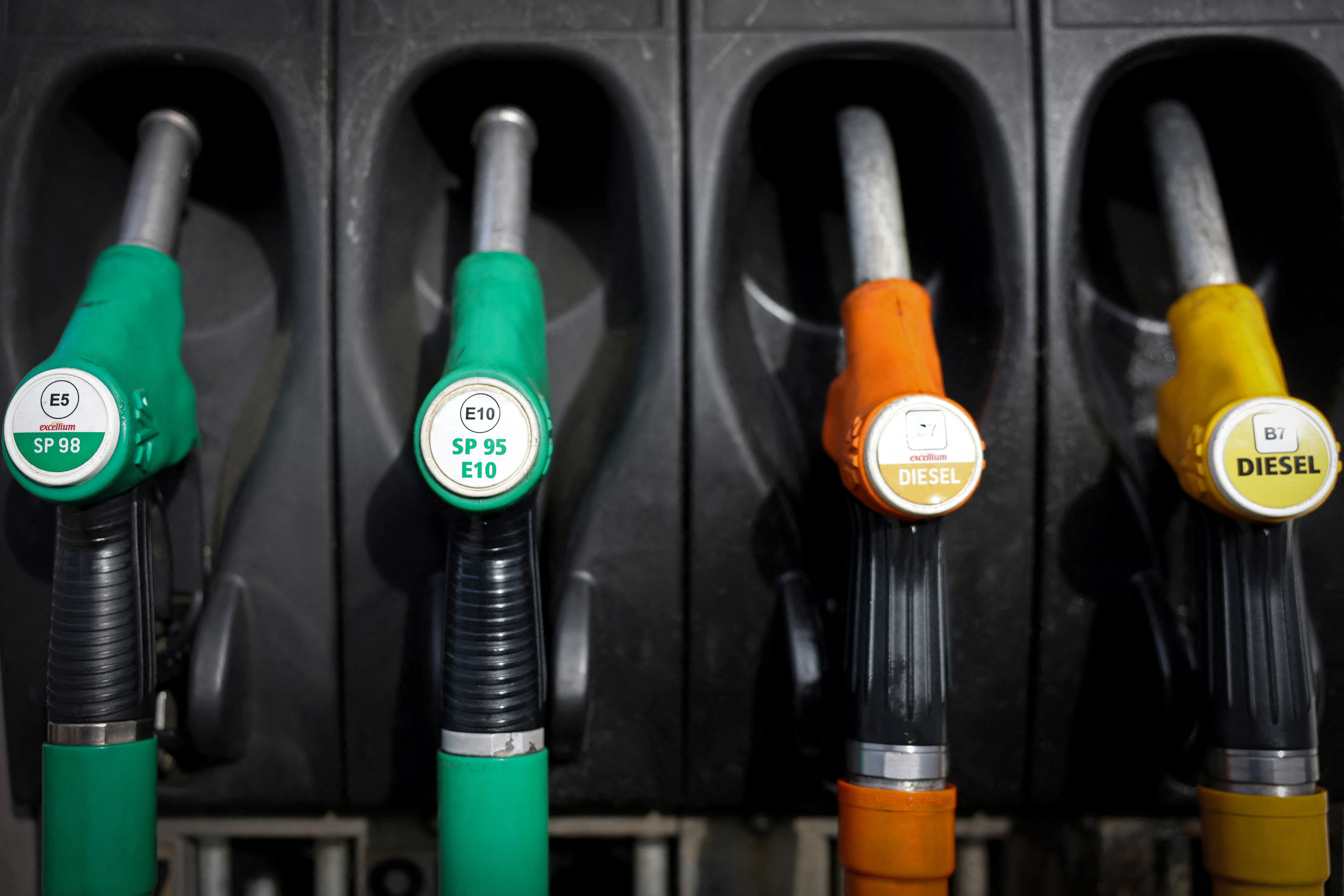
Official government data released on Monday indicates a slight decrease in the cost of filling up a vehicle's fuel tank last week. Despite this marginal reduction, the overall expense remains significant, particularly when compared to prices observed in the previous year. The current fuel costs are also higher than they were before the recent conflict in the Middle East began. This situation is particularly relevant as the summer vacation period approaches, a time when many families rely on personal vehicles for travel. The elevated prices could potentially impact travel plans and budgets for many consumers.
While fuel prices have seen a minor dip, they persist above pre-Middle East conflict benchmarks, impacting consumers as the peak summer travel season commences. This sustained elevated cost suggests that market dynamics or geopolitical factors continue to exert upward pressure, potentially influencing consumer spending patterns and economic activity. The discrepancy between current prices and those of the previous year highlights the volatility within energy markets. As economies increasingly integrate digital and AI-driven systems, understanding these price fluctuations becomes crucial for forecasting consumer behavior and managing inflationary pressures, ensuring greater resilience against external shocks.
AI-generated to prompt reflection — not editorial opinion, not advice, not a statement of fact. How this works.