Fuel Prices Rise, Exceeding Pre-Rebate Levels
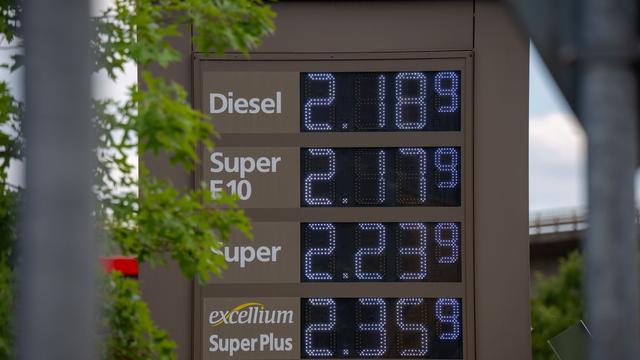
Fuel prices in Germany have increased, with gasoline now costing more than it did before the temporary fuel tax cut was implemented. This rise in costs impacts drivers across the country. The fuel rebate, introduced to alleviate financial burdens, has now been surpassed by current market prices. This development means that consumers are once again facing higher expenses at the pump. The specific figures and the exact date range of the rebate's impact are not detailed, but the trend indicates a return to pre-subsidy price levels. This situation is likely to affect household budgets and transportation costs for individuals and businesses alike. Further monitoring of fuel price trends will be necessary to understand the long-term implications for the German economy and consumer spending.
The resurgence of fuel prices above pre-subsidy levels suggests that market dynamics, potentially including global supply chain pressures, geopolitical events, or shifts in demand, are exerting greater influence than the temporary fiscal measure. This indicates that the underlying economic factors driving fuel costs remain robust. Consumers and policymakers will need to consider strategies that address these fundamental drivers, rather than relying solely on short-term rebates, to ensure sustainable mobility costs and economic stability in the medium to long term. The situation highlights the interplay between government intervention and market forces in shaping essential commodity prices.
AI-generated to prompt reflection — not editorial opinion, not advice, not a statement of fact. How this works.