Fuel Prices Shift: Diesel Rises, Gasoline Drops as Government Adjusts Excise Taxes
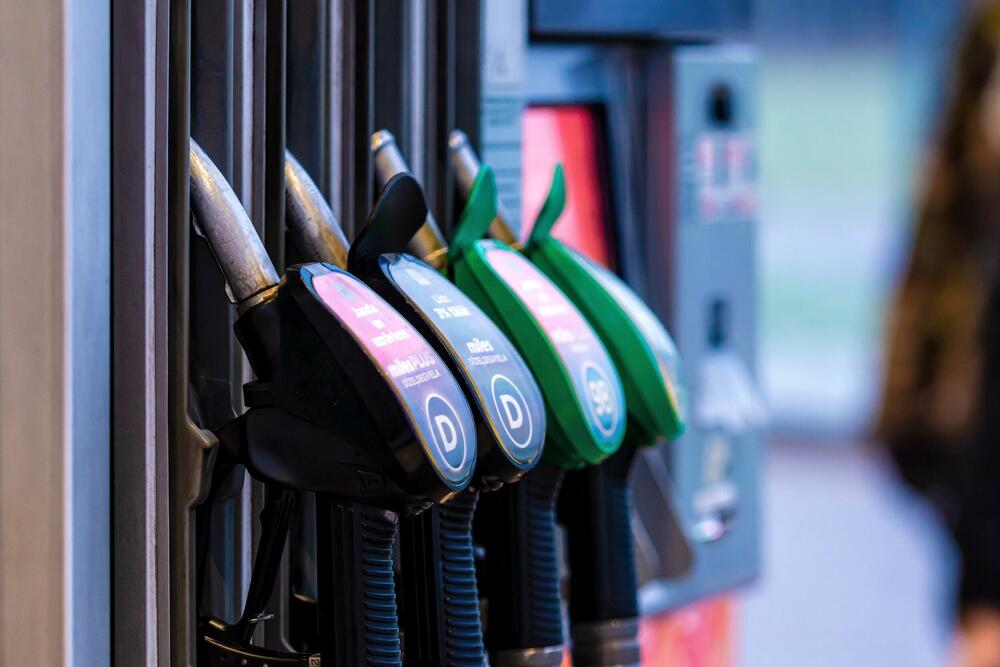
The Ministry of Energy and Mining announced that the government has decided to maintain reduced excise taxes on fuels. This policy adjustment will lead to a price increase for diesel fuel, which will become six cents more expensive. Conversely, gasoline prices are set to decrease. The specific details regarding the magnitude of the gasoline price reduction were not provided in the initial announcement. This move by the government aims to balance revenue needs with consumer affordability in the energy market. The decision reflects ongoing efforts to manage the impact of global energy price fluctuations on the domestic economy. Further details on the exact pricing mechanisms and their broader economic implications are expected to be released by the ministry.
The government's decision to adjust fuel excise taxes demonstrates a balancing act between fiscal objectives and consumer relief. By increasing diesel prices while lowering gasoline costs, authorities are likely responding to differing market demands and potential impacts on transportation and industry. This selective approach may aim to mitigate inflationary pressures on essential goods that rely on diesel, while providing some savings for personal vehicle owners. The long-term effectiveness of such interventions hinges on sustained global energy market stability and the government's capacity to adapt its fiscal policies. Future considerations should include the potential for unintended consequences, such as shifts in consumer behavior or impacts on sectors heavily reliant on specific fuel types, within the evolving energy landscape.
AI-generated to prompt reflection — not editorial opinion, not advice, not a statement of fact. How this works.
